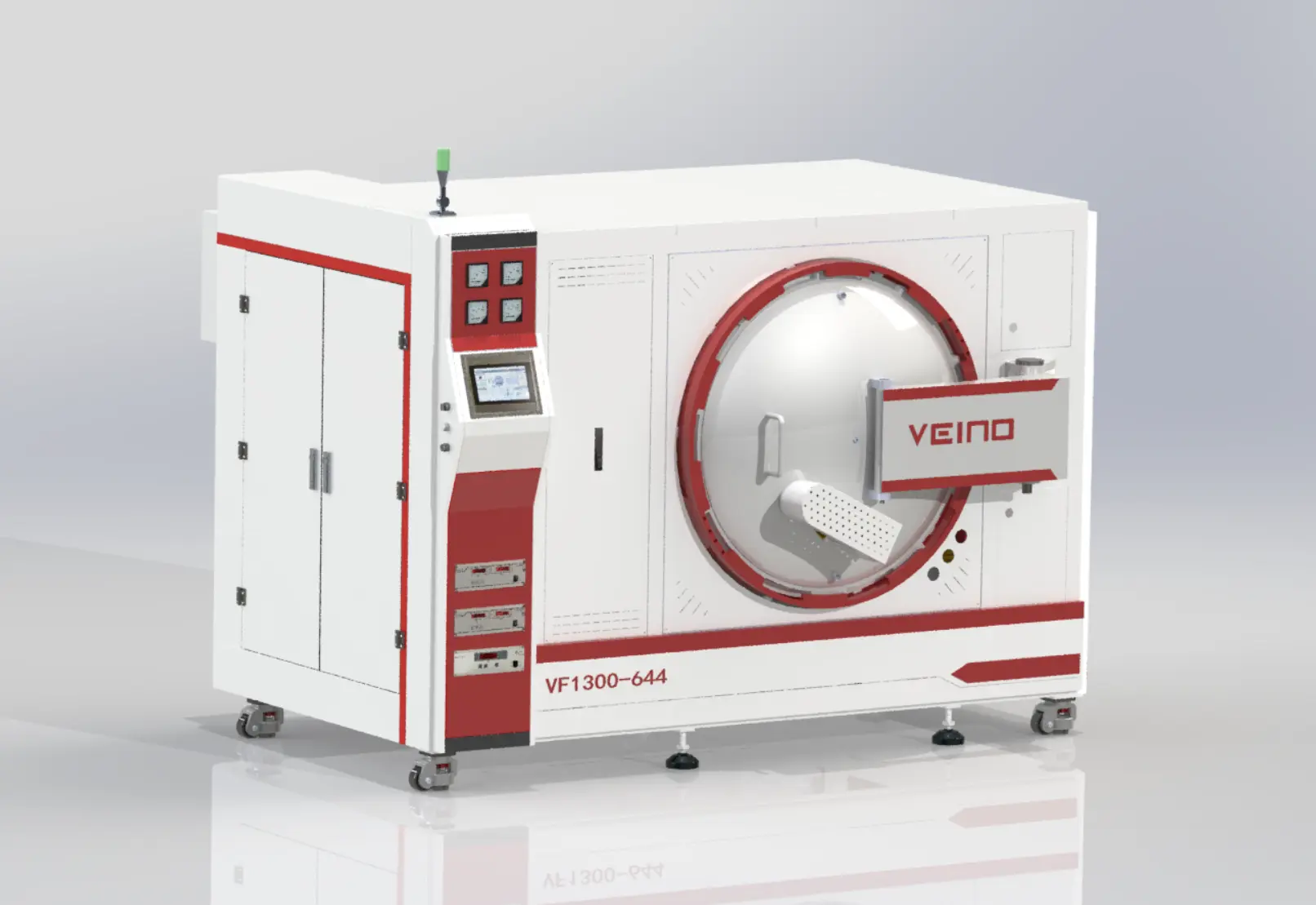
What is the vacuum level of a vacuum furnace in general?
A vacuum furnace is a high-temperature heat-treatment system widely used in processing metals, ceramics, and advanced engineering materials. Unlike conventional furnaces, it operates in a controlled vacuum environment, which helps prevent oxidation, contamination, and unwanted chemical reactions during heating. Because of this controlled atmosphere, vacuum furnaces are commonly used for processes such as annealing, quenching, sintering, brazing, and strengthening treatments where material quality and surface integrity are critical.
So, what is the vacuum level of a vacuum furnace in general? The vacuum level directly influences heat-treatment effectiveness, surface finish, and final material properties. Generally speaking, the vacuum level required depends on the specific process and material being treated. For most standard heat-treatment operations, a vacuum level of around 10⁻³ Pa or better is sufficient to meet process requirements. However, in high-precision fields such as aerospace, electronics, and semiconductor manufacturing, much higher vacuum levels are often required to achieve extremely clean and stable processing conditions.
Because different applications demand different vacuum conditions, it is important to define the required vacuum level based on the process specifications before furnace operation. Once the requirement is established, proper testing and monitoring of the vacuum level must be carried out.
So, how to test the vacuum of the vacuum furnace? Vacuum measurement is commonly done using vacuum gauges, and there are several types available, such as Pirani gauges, ionization gauges, and diffusion-type gauges. Each gauge has its own operating range and accuracy, so selecting the appropriate instrument is essential for obtaining reliable pressure readings.
Before measuring the vacuum level, the vacuum furnace should undergo proper preparation, including leak detection and system inspection. Even small leaks can significantly reduce the achievable vacuum level and affect process stability. Therefore, ensuring good sealing, clean internal surfaces, and properly functioning pumps is necessary to obtain accurate vacuum measurements and consistent furnace performance.
Maintaining the required vacuum level over long-term operation is equally important. Due to high temperatures and repeated thermal cycling, components such as seals, gaskets, and joints can degrade over time, leading to air leakage. Regular maintenance activities, including seal replacement, cleaning of the furnace chamber, and inspection of vacuum pumps, help maintain stable vacuum conditions. In addition, proper operating practices, such as minimizing unnecessary door openings and preventing external gas ingress, play a vital role in preserving vacuum quality.
To sum up, the vacuum level is a key performance indicator of a vacuum furnace and has a direct impact on heat-treatment quality and process reliability. Selecting the appropriate vacuum level according to application needs, accurately testing it with suitable instruments, and maintaining the system through regular inspection and maintenance are essential for ensuring efficient and stable operation of a vacuum furnace.

Edited by: Shristi Paudyal
© 2026 Normantherm Vacuum Furnace. All rights reserved.
You may also like
The Future of 3D Printing in Heat Treatment: How Normantherm is Leading the Way.
Vacuum Brazing Technology: The Key to Stronger and More Durable Joints.