Understanding Temperature Uniformity in Vacuum Furnaces (AMS 2750)

Understanding Temperature Uniformity in Vacuum Furnaces (AMS 2750)
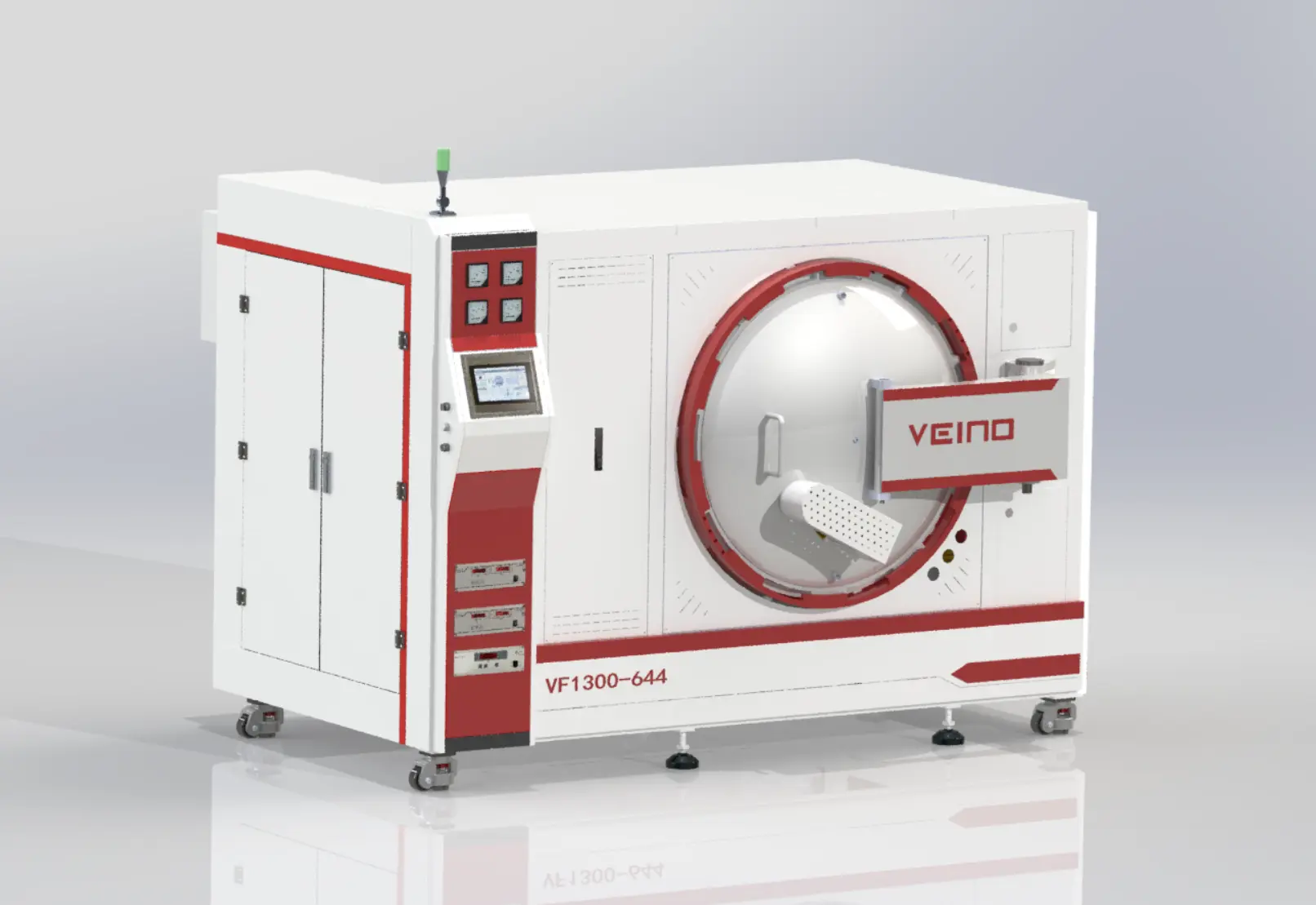
Temperature uniformity is one of the most critical performance parameters of a vacuum furnace. For industries such as aerospace, automotive, medical, and tool manufacturing, even small temperature deviations can directly affect material properties, dimensional stability, and component reliability. To control and standardize this aspect of heat treatment, the aerospace industry relies on AMS 2750, the globally recognized specification for pyrometry.
What Is Temperature Uniformity?
Temperature uniformity refers to the ability of a furnace to maintain all points within the qualified work zone at or near the setpoint temperature during a heat treatment cycle. In a vacuum furnace, achieving uniformity is particularly challenging due to radiative heat transfer, complex load geometries, and the absence of convective heat flow under high vacuum conditions.
Poor temperature uniformity can result in:
1. Inconsistent hardness or microstructure
2. Distortion or residual stresses
3. Non-compliance with customer or industry specifications
AMS 2750
AMS 2750 is a pyrometry specification developed to ensure accurate temperature measurement and control in thermal processing equipment. While originally created for aerospace applications, it is now widely adopted across multiple high-precision industries. The standard defines requirements for:
1. Temperature Uniformity Surveys (TUS)
2. System Accuracy Tests (SAT)
3. Thermocouple types and calibration
4. Instrumentation and data recording
5. Furnace classification based on temperature tolerance
Temperature Uniformity Surveys (TUS)
A Temperature Uniformity Survey is performed to verify that the furnace can maintain the required temperature tolerance throughout the usable work zone. During a TUS, multiple calibrated thermocouples are placed strategically inside the furnace, including corners, center, and areas known to be thermally challenging. In vacuum furnaces, TUS results are influenced by:
1. Hot zone design and material selection
2. Heating element placement
3. Radiation shielding
4. Load configuration and mass
5. Control system response
A well-designed vacuum furnace should demonstrate stable, repeatable TUS performance across its qualified operating temperature range.
Challenges of Uniformity in Vacuum Furnaces
Unlike atmosphere furnaces, vacuum furnaces rely primarily on radiant heat transfer. This makes uniformity highly dependent on hot zone geometry and surface emissivity. Factors such as uneven loading, reflective materials, or deteriorated insulation can negatively impact temperature distribution.
Our Normantherm Vacuum Furnace designs address these challenges through:
1. Optimized hot zone layouts
2. Molybdenum as a hot zone material
3. Multi-zone heating control
4. Precise temperature measurement and control algorithms
Conclusion
Temperature uniformity is a defining performance characteristic of a vacuum furnace. Understanding AMS 2750 and its requirements allows manufacturers to maintain consistent heat treatment quality, meet stringent industry standards, and reduce operational risk. By investing in properly designed vacuum furnace systems and disciplined pyrometry practices, manufacturers can achieve repeatable, compliant, and high-quality thermal processing results.
You may also like
The Future of 3D Printing in Heat Treatment: How Normantherm is Leading the Way.
Vacuum Brazing Technology: The Key to Stronger and More Durable Joints.