The Art of Precision: Why Vacuum Brazing is the Gold Standard for Stainless Steel Impellers

In the world of fluid dynamics and high-speed rotation, the humble impeller is nothing short of a workhorse. Whether it’s driving water through a municipal pump or fuel through a turbine engine, the impeller must withstand incredible stress, corrosive environments and relentless mechanical fatigue.
But how are these complex components manufactured to handle such pressure? While welding and casting are common methods, there is a superior process that engineers trust for the most demanding applications: Vacuum Brazing of Stainless Steel Impellers.
This process isn't just about sticking metal together; it’s about creating a metallurgical bond that is stronger than the base materials themselves. Let’s dive into why this high-tech joining method is revolutionizing the performance of pumps, turbines, and fluid control systems.
What is Vacuum Brazing?
At its core, brazing is a metal-joining process where a filler metal is melted and flowed into the joint between two close-fitting parts. However, vacuum brazing takes this concept to a molecular level.
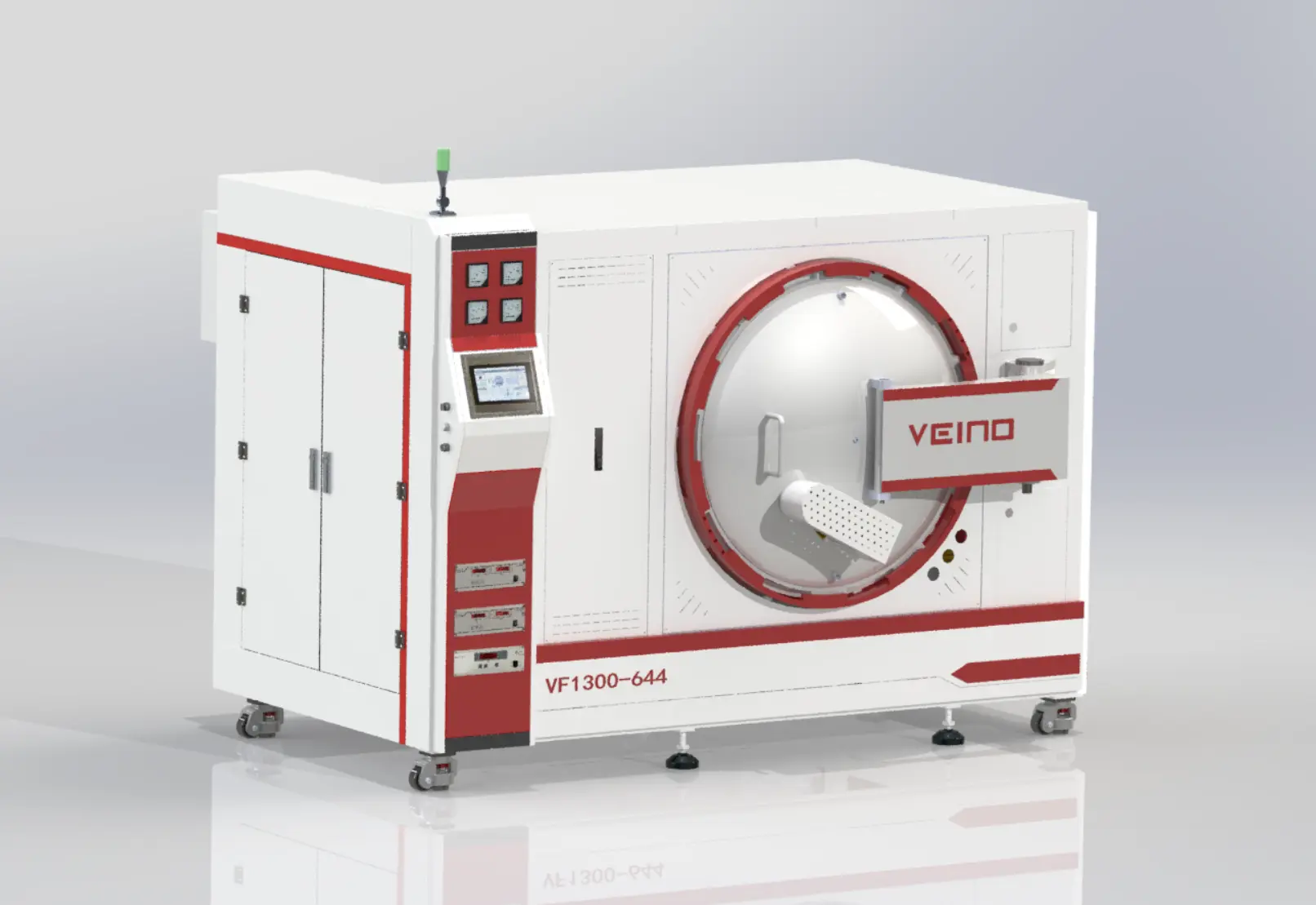
The process takes place inside a specialized furnace that removes all air, creating a vacuum environment. By eliminating oxygen, the process prevents oxidation and contamination. This allows the molten filler metal (often a nickel-based alloy) to flow effortlessly via capillary action, creating a seamless bond between the stainless steel components of the impeller.
The Benefits of a Vacuum-Brazed Impeller
Why choose vacuum brazing over traditional welding or mechanical fastening? The advantages are clear when you look at the final performance metrics.
1.Unmatched Joint Strength and Integrity
When an impeller spins at thousands of revolutions per minute (RPM), every joint becomes a potential failure point. Vacuum brazing creates a joint that is often stronger than the stainless steel itself. The process ensures 100% density and eliminates the porosity that can plague traditional welding, guaranteeing that the impeller can handle high-pressure differentials without cracking.
2.Uniform Structure and Distortion-Free Design
One of the biggest challenges with welding thin stainless steel is distortion. The intense, localized heat of a torch can warp the delicate blades of an impeller, ruining its aerodynamic or hydrodynamic balance.
Vacuum brazing heats the entire assembly uniformly. This means the parts expand and contract at the same rate, resulting in distortion-free components that maintain their precise geometry right out of the furnace.
3. Superior Corrosion Resistance
Stainless steel is chosen for its ability to resist rust and chemical attack. Traditional welding can compromise this by burning off key elements like chromium.
In the oxygen-free vacuum environment, the base metal’s chemistry remains intact. Furthermore, the brazing fillers are selected to match or enhance the corrosion resistance of the stainless steel, ensuring the impeller has a long service life even when pumping aggressive chemicals or seawater.
4. Clean and Aesthetic Finish
Because there is no oxidation, the parts come out of the furnace bright and clean. There is no need for post-process grinding or pickling to remove scale. This clean finish is not just cosmetic; it ensures smooth flow paths for fluids, increasing the overall efficiency of the pump or turbine.
Applications in Fluid Control and Power Generation
The unique properties of vacuum-brazed stainless steel impellers make them indispensable in several critical industries:
High-Speed Pumps: For boiler feed pumps and pipeline boosters where pressure is extreme.
Turbochargers and Turbines: Where high-temperature strength and rotational balance are non-negotiable.
Aerospace Fuel Systems: Demanding zero leaks and absolute reliability.
Chemical Processing: Resisting corrosion from acids and caustic substances.
The Process: From Assembly to Perfection
Creating a precision impeller involves meticulous preparation:
Fit-Up: The stamped or machined stainless steel blades, hub and shrouds are carefully assembled.
Filler Application: A precise amount of brazing paste or foil (often a high-chrome nickel alloy) is applied at the joint points.
The Braze Cycle: The assembly enters the vacuum furnace. The temperature is precisely ramped up until the filler metal melts and flows into the joints, bonding the parts together.
Cool Down: The furnace cools the part in a controlled manner, relieving stresses and solidifying the bond into a monolithic structure.
Conclusion
As industries demand higher efficiencies and longer lifespans from their rotating equipment, the methods used to build them must evolve. Vacuum brazing of stainless steel impellers represents the peak of precision engineering. It provides the strong joints, uniform structure and corrosion resistance required for modern pumps and turbines.
By eliminating the weaknesses of traditional joining methods, vacuum brazing ensures that whether an impeller is moving water or fueling a rocket, it will deliver stable performance and durability for years to come.
You may also like
The Future of 3D Printing in Heat Treatment: How Normantherm is Leading the Way.
Vacuum Brazing Technology: The Key to Stronger and More Durable Joints.