Overview of vacuum brazing and its importance in high-performance impeller manufacturing.

Vacuum brazing is an essential joining process for manufacturing high-precision stainless-steel impellers. Impellers are used anywhere fluids need to be moved, pressurized, mixed, or circulated efficiently, such as Pumps, HVAC systems, Power generation, Compressors and blowers, Aerospace and Automotive etc.
Stainless-steel impellers operate under high rotational speeds, pressure fluctuations, and continuous thermal and mechanical stress. Any joint imperfection can lead to imbalance, vibration, efficiency loss, or premature failure.
The vacuum-brazed stainless steel impeller sample shown here demonstrates how this process ensures strong, clean, and dimensionally accurate joints while preserving the complex geometry required for optimal hydraulic performance.

Unlike conventional brazing or welding methods, vacuum brazing is performed in a controlled, oxygen-free environment that eliminates the need for flux and prevents oxidation. This is especially important for stainless steel impellers, where surface cleanliness and corrosion resistance are critical. Vacuum brazing allows uniform capillary flow of the filler metal through intricate blade-to-hub interfaces, producing leak-tight, high-strength joints with excellent metallurgical bonding. Brazing temperature range and vacuum level typically range from 980 °C to 1150 °C and 10^-2 to 10^-4 Pa, respectively, depending on stainless steel grade and brazing filler metal selection. The precisely controlled heating and cooling cycle minimizes distortion and residual stress, ensuring superior balance and concentricity in rotating components.

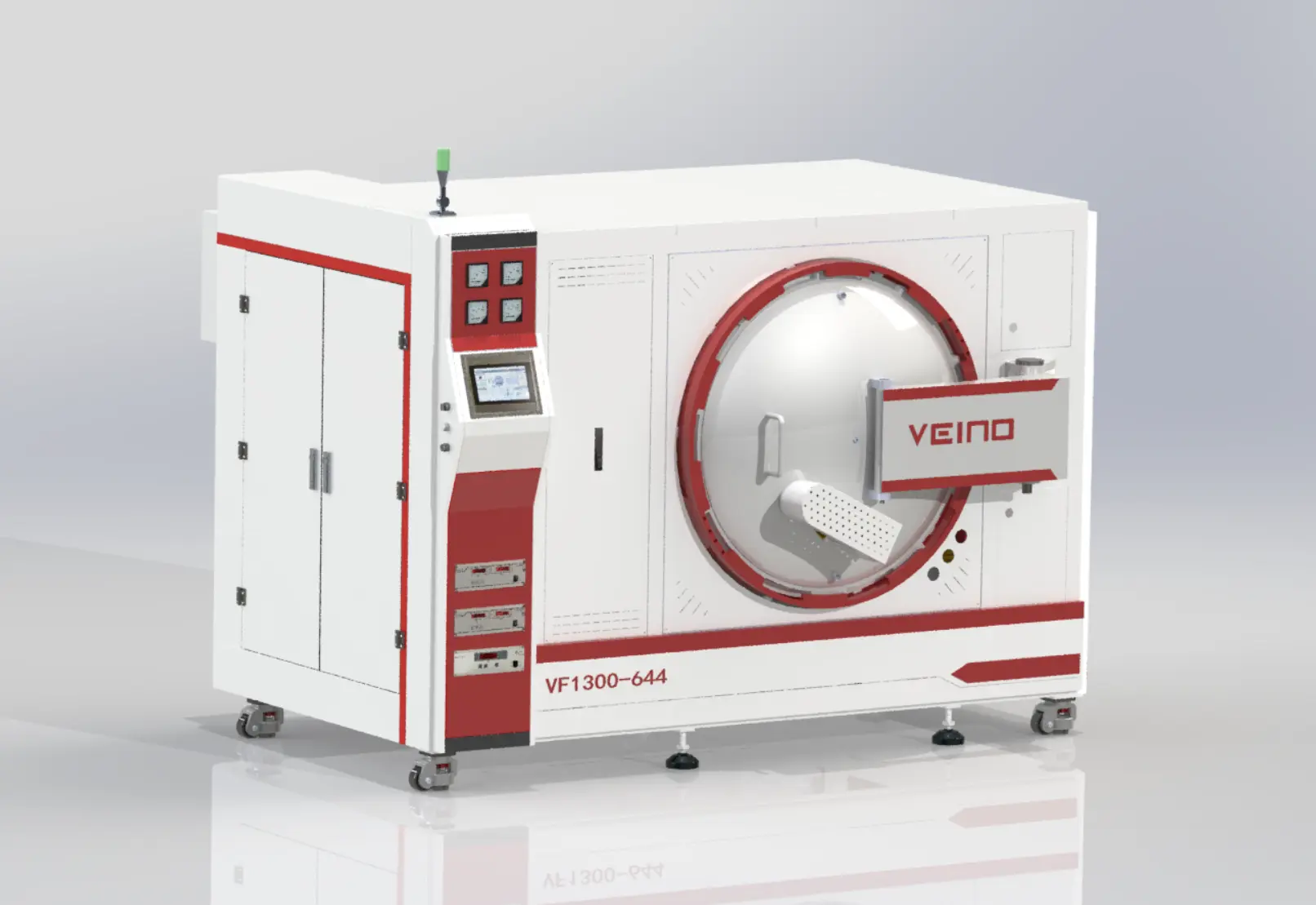
At Normantherm, vacuum furnaces are specifically designed to meet the stringent requirements of brazing stainless-steel impellers and other complex assemblies. High vacuum levels, accurate temperature uniformity, and repeatable thermal cycles enable consistent brazing quality across production batches. These furnaces support a wide range of brazing filler metals, allowing manufacturers to tailor joint performance for high-temperature, corrosive, or high-load operating conditions.
To sum up, vacuum-brazed stainless-steel impellers produced using modern vacuum furnace technology offer clear advantages in reliability, efficiency, and service life. For manufacturers seeking superior joint integrity, reduced post-brazing finishing, and compliance with demanding industrial standards, vacuum brazing remains the preferred solution for critical impeller assemblies where performance and durability cannot be compromised.
You may also like
The Future of 3D Printing in Heat Treatment: How Normantherm is Leading the Way.
Vacuum Brazing Technology: The Key to Stronger and More Durable Joints.