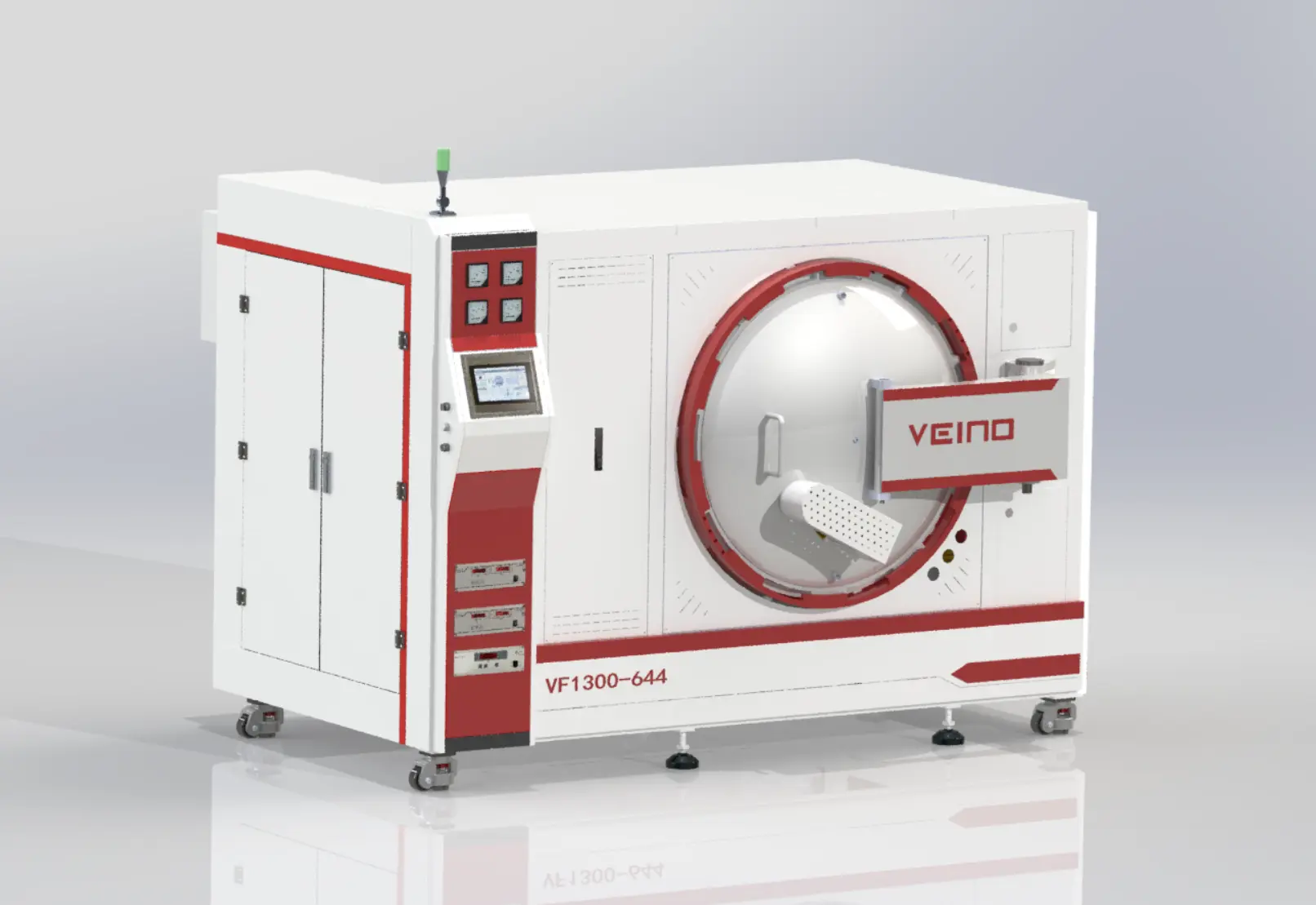
How a vacuum hardening furnace enhances steel properties
In modern manufacturing, steel components are expected to deliver high strength, dimensional accuracy, and long service life. Achieving these properties consistently depends heavily on the heat treatment method used. Among the available technologies, vacuum hardening furnaces have become a preferred solution for hardening alloy and tool steels, especially where surface quality and performance reliability are critical. By processing steel in a controlled, oxygen-free environment, vacuum hardening significantly improves mechanical properties while maintaining excellent surface integrity. This article explores how a vacuum hardening furnace enhances steel properties, the benefits of using such a system, and why Normantherm Vacuum Furnace is a trusted name in this domain.
What is a Vacuum Hardening Furnace?
A vacuum hardening furnace is a type of heat treatment equipment used to harden steel under low-pressure or high-vacuum conditions. Unlike conventional atmosphere furnaces, the vacuum environment eliminates the presence of oxygen and reactive gases during heating. This prevents oxidation, surface scaling, and decarburization, which are common issues in traditional hardening processes.
During vacuum hardening, steel components are heated to their austenitizing temperature, typically in the range of 800 °C to 1050 °C, depending on the steel grade. Once the required temperature uniformity is achieved, the parts are rapidly quenched using high-pressure inert gases such as nitrogen, argon, or helium. This controlled quenching transforms the microstructure into hardened martensite while minimizing thermal stress.

Benefits of vacuum hardening on steel properties
One of the most important benefits of vacuum hardening is the significant increase in hardness and wear resistance. This makes the process ideal for tooling, dies, gears, and components exposed to repeated friction or mechanical contact.
At the same time, vacuum hardening ensures excellent core strength and toughness, allowing components to withstand heavy loads and impact without premature failure. Because the heating and cooling cycles are precisely controlled, the resulting microstructure is uniform, which directly contributes to improved fatigue resistance and longer component life.
Another major advantage is minimal distortion. Uniform temperature distribution and gas quenching reduce uneven thermal gradients, making vacuum hardening especially suitable for precision parts with tight dimensional tolerances.
Applications of vacuum-hardened steel components

Vacuum-hardened steel is used in various high-performance industries:
· Automotive Industry: Transmission gears, drive shafts, cam components, and critical engine parts
· Aerospace Sector: Landing gear assemblies, load-bearing structural parts, and precision components
· Tool and Die Industry: Cutting tools, forming dies, punches, and industrial molds
· Medical Equipment: Surgical instruments, orthopedic implants, and precision medical components
· Energy and Power Sector: Turbine components, high-pressure valves, pump parts, and wear-resistant hardware
The vacuum hardening process in detail
The process begins with thorough pre-cleaning of the steel parts to remove oils and contaminants. The components are then loaded into the furnace, where they are gradually heated under vacuum to the required austenitizing temperature. A controlled soaking period ensures uniform heat penetration throughout the load. Quenching is carried out using pressurized inert gas, followed by optional tempering to adjust hardness and relieve internal stresses, depending on application requirements.

A chart showing the HRC values for various common knife steels
Why choose vacuum hardening over conventional hardening methods?
Compared to traditional oil or atmosphere hardening, vacuum hardening offers better repeatability, cleaner surfaces, improved mechanical properties, and lower environmental impact. The elimination of oil quenching reduces smoke, waste, and fire hazards, while gas quenching provides a safer and more controllable cooling method.
Advantages of using the Normantherm vacuum hardening system
· Precise Temperature Control: Advanced PID-controlled heating systems ensure accurate, stable, and repeatable thermal cycles throughout the hardening process.
· High Vacuum Integrity: Normantherm furnaces achieve deep vacuum levels, providing a clean, oxygen-free environment that prevents oxidation and surface contamination.
· Customized Furnace Solutions: Available in a wide range of chamber sizes and configurations, tailored to specific materials, component geometries, and production requirements.
· Energy-Efficient Design: Optimized insulation, heating elements, and control logic reduce energy consumption while maintaining consistent process performance.
· Robust Industrial Construction: Engineered with high-quality materials and durable mechanical design for reliable operation in demanding industrial conditions.
With a strong emphasis on precision engineering and process reliability, Normantherm Vacuum Furnaces are widely trusted for advanced vacuum hardening applications across multiple industries.
Conclusion
Vacuum hardening furnaces have become an essential technology for producing high-performance steel components. By combining precise temperature control, clean processing conditions, and advanced gas quenching, this method delivers superior hardness, strength, and dimensional stability. Normantherm Vacuum Furnace remains at the forefront of vacuum furnace technology by delivering innovative, dependable, and high-performance solutions. Adopting such advanced systems enables manufacturers to produce components that consistently achieve superior strength, durability, and reliability standards.

Edited by: Shristi Paudyal
You may also like
The Future of 3D Printing in Heat Treatment: How Normantherm is Leading the Way.
Vacuum Brazing Technology: The Key to Stronger and More Durable Joints.