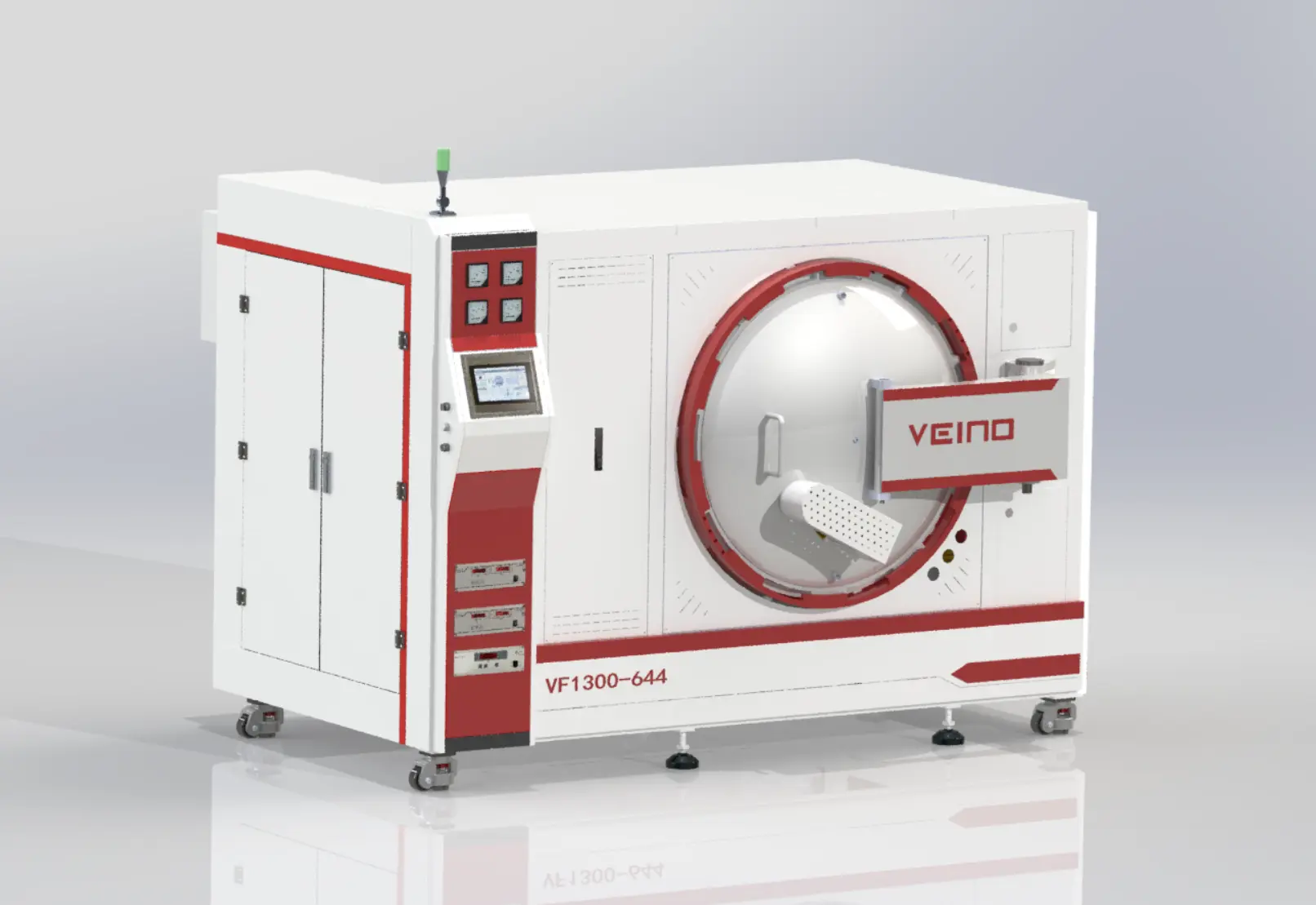
Common Vacuum Furnace Problems and How to Prevent Them

Understanding common vacuum furnace problems helps manufacturers maintain process quality and reduce downtime.
Poor Temperature Uniformity
It can cause uneven hardness, microstructural variation, and part distortion. In vacuum furnaces, where heat transfer occurs mainly through radiation, uniformity is strongly influenced by hot zone design, insulation condition, and load arrangement. Normantherm vacuum furnaces are designed with optimized hot-zone geometry, balanced heating-element placement, and precise temperature-control systems to achieve stable, repeatable temperature uniformity across the working zone.
Inadequate Vacuum Level
Failure to achieve the required vacuum level can result in oxidation, surface discoloration, or contamination of heat-treated parts. Leaks, worn seals, contaminated pumps, or insufficient pumping capacity often cause this issue. A well-sealed chamber and properly configured vacuum pumping system are critical. That’s why it is important to utilize vacuum furnaces with robust chamber construction and reliable pumping systems to maintain stable high-vacuum conditions throughout the heat treatment cycle.
Part Distortion During Heat Treatment
Part distortion occurs when thermal stresses develop due to uneven heating, rapid temperature changes, or improper cooling rates. Complex geometries and thin sections are particularly sensitive. Controlled heating ramps, proper load support, and carefully managed cooling or gas quenching help minimize distortion.
Hot Zone Wear and Degradation
Hot zone components are exposed to extreme temperatures and repeated thermal cycling. Over time, heating elements, insulation, and radiation shields can degrade, affecting heating efficiency and temperature uniformity. Using appropriate hot zone materials, such as graphite or molybdenum, based on application requirements, along with proper atmosphere control, helps extend hot zone service life.
Inconsistent Process Results
Inconsistent heat treatment results are often linked to control inaccuracies, thermocouple placement issues, or variations in load configuration. Even minor deviations can affect final material properties. Reliable control systems, accurate temperature measurement, and repeatable process recipes are essential.
To sum up, common vacuum furnace problems are largely preventable through proper furnace design, stable vacuum performance, accurate temperature control, and disciplined maintenance practices. With well-engineered systems and correct operation, Normantherm vacuum furnaces deliver reliable and high-quality heat treatment results for demanding industrial applications.
You may also like
The Future of 3D Printing in Heat Treatment: How Normantherm is Leading the Way.
Vacuum Brazing Technology: The Key to Stronger and More Durable Joints.