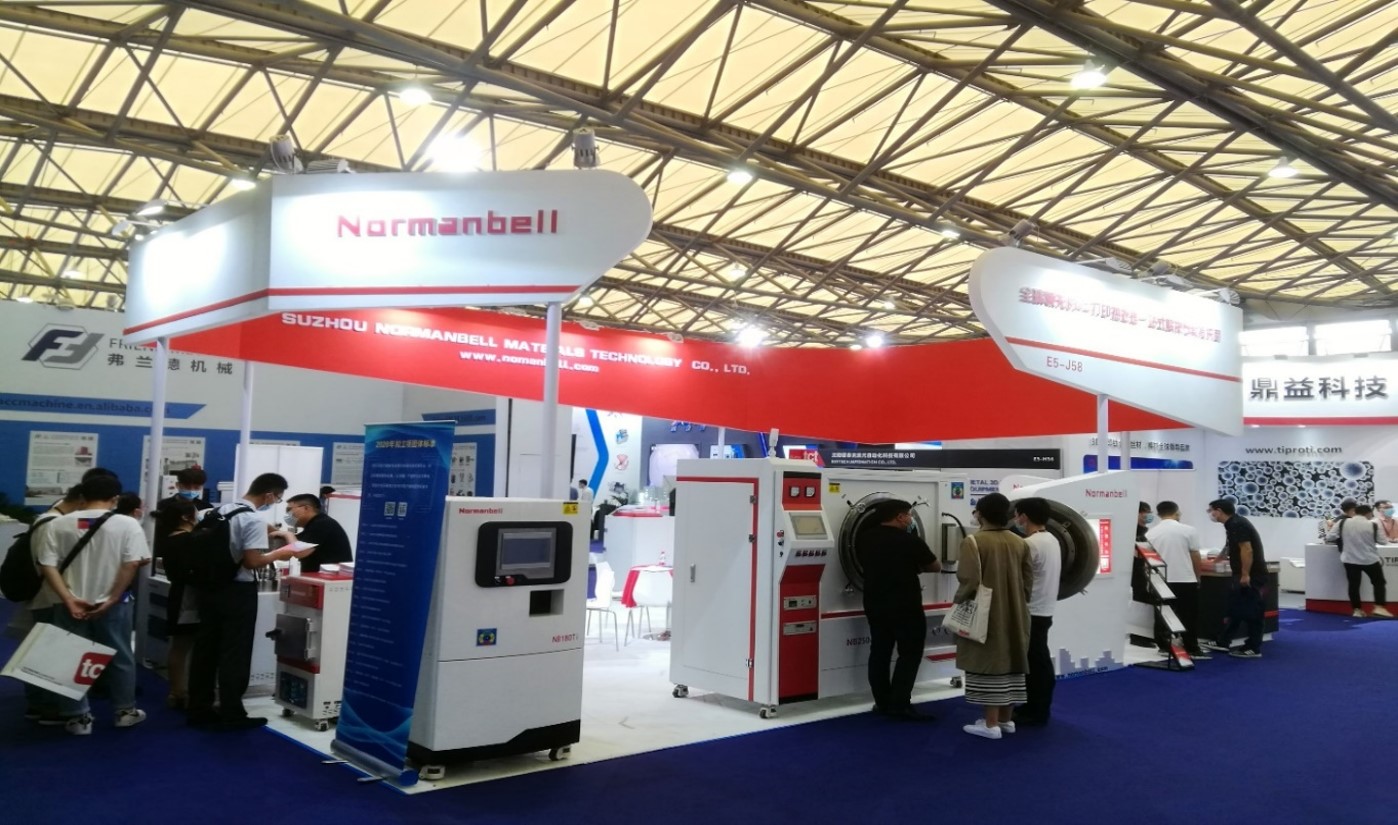
Why Aerospace and Medical Manufacturers Rely on Vacuum Furnaces

Components produced for aircraft engines or surgical implants operate under extreme conditions and are subject to strict regulatory oversight. For these reasons, vacuum furnaces have become a core part of heat treatment and thermal processing in both sectors. Their ability to deliver clean, controlled, and repeatable results makes them indispensable for manufacturers working with critical materials and tight tolerances.
The Demands of Aerospace and Medical Manufacturing
· Zero tolerance for contamination
· Tight dimensional control
· Consistent mechanical properties
· Complete process traceability
· Compliance with international quality standards
Traditional atmosphere furnaces often struggle to meet these demands without additional processing steps. Oxidation, surface reactions, and inconsistent results can introduce risk, something neither industry can afford. Vacuum furnaces address these challenges directly.
1. Vacuum furnaces provide a controlled, oxygen-free environment that eliminates oxidation, scaling, and surface contamination during heat treatment. This clean processing is especially important for materials commonly used in these industries, such as titanium alloys, stainless steels, and nickel-based superalloys, where surface integrity directly affects fatigue life, strength, and biocompatibility.
2. Precise control of temperature, heating rates, and cooling cycles allows vacuum furnaces to produce uniform and repeatable material properties. Advanced quenching systems further reduce distortion and dimensional variation, making vacuum furnaces well-suited for complex parts with tight tolerances and high-performance requirements.
3. Vacuum furnace technology also supports compliance with internationally recognized quality standards, including NADCAP, ASTM, and ISO. Integrated monitoring, data recording, and process traceability help manufacturers meet audit and certification requirements with confidence.
4. Ideal for Advanced Heat Treatment and Brazing Applications: In aerospace, vacuum brazing is commonly used to join intricate assemblies like heat exchangers and fuel system components. In medical manufacturing, it enables clean, flux-free joining of implants and surgical instruments without compromising material integrity.
· Vacuum hardening and tempering
· Vacuum brazing of complex assemblies
· Annealing and stress relieving
· Sintering of specialized components
Long-Term Cost and Quality Advantages
While vacuum furnaces often require a higher initial investment, aerospace and medical manufacturers view them as a long-term value solution. Reduced scrap rates, fewer secondary finishing steps, and improved product reliability all contribute to a lower total cost of ownership.
More importantly, vacuum furnaces help manufacturers protect what matters most in these industries: safety, performance, and reputation.
You may also like

Normanthan Broadens Its Impact Across Key High-Tech Industries
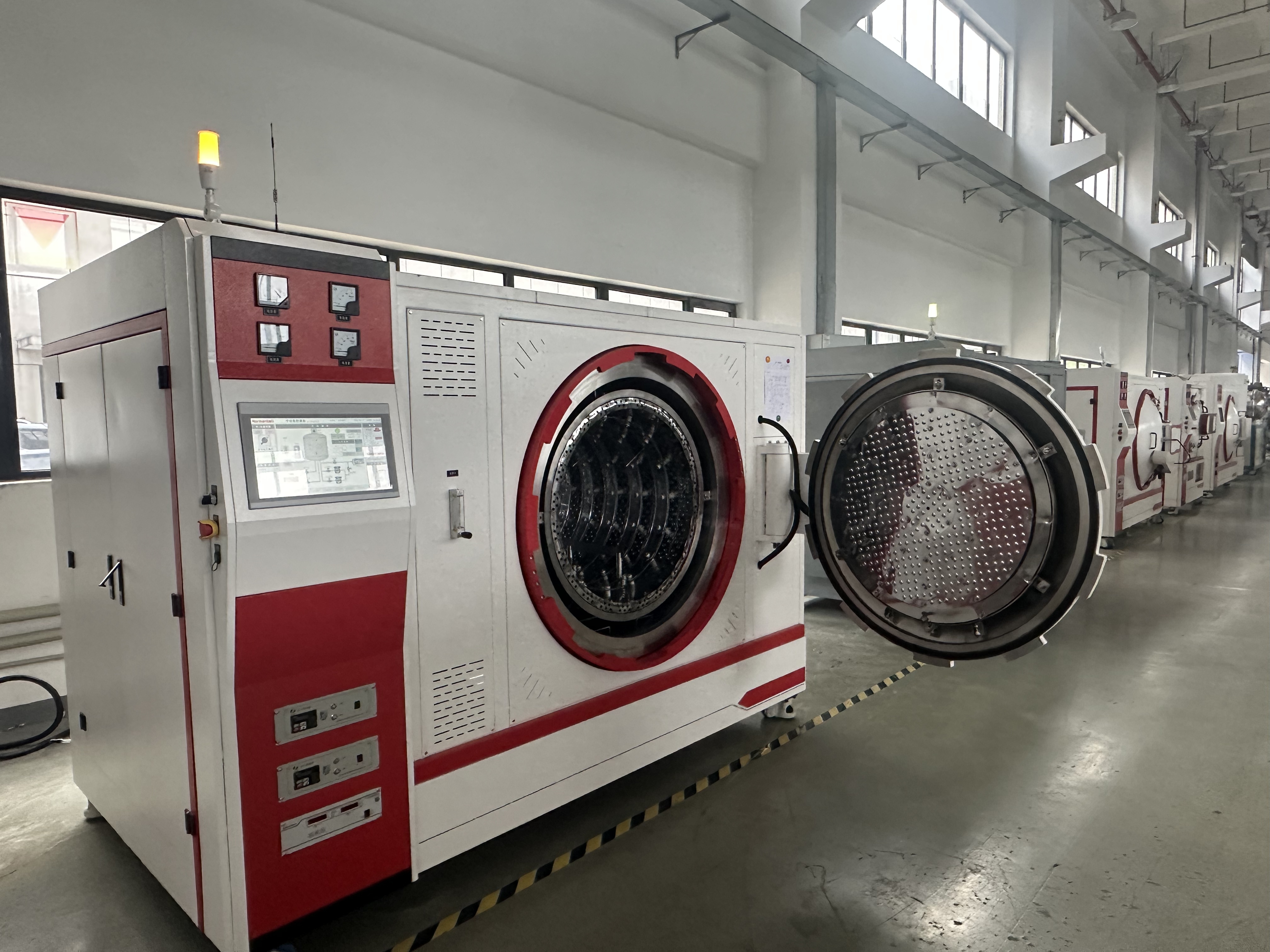
Normanthan Unveils Next-Generation Multi-Functional Vacuum Furnaces