Vacuum Tempering: Improving Strength and Durability of Metals

In modern manufacturing, the performance of metal components depends heavily on the quality of their heat treatment. Processes such as hardening, annealing, and tempering are used to control the mechanical properties of metals and alloys. Among these processes, vacuum tempering plays a critical role in improving the balance between hardness, strength, and toughness, especially for high-precision industrial components.
Vacuum tempering is widely used in industries where reliability and consistency are essential, including aerospace, automotive manufacturing, tooling, and high-performance engineering applications.
What Is Vacuum Tempering?
Vacuum tempering is a heat treatment process performed after hardening to reduce brittleness and relieve internal stresses in metals. When steels are hardened, their structure becomes extremely hard but also fragile. Tempering is necessary to stabilize the microstructure and improve toughness while maintaining the required hardness.
In this process, components are heated to a controlled temperature inside a vacuum furnace, where the surrounding atmosphere is removed to create a low-pressure environment. The absence of oxygen prevents oxidation, scaling, and contamination, allowing the parts to maintain a clean surface and precise dimensional accuracy.
How the Vacuum Tempering Process Works
The vacuum tempering cycle is carefully controlled to achieve consistent metallurgical results. A typical process includes several key stages.
1. Loading the Furnace
After hardening, components are loaded into the vacuum furnace chamber. Proper arrangement of parts ensures uniform heat distribution during the process.
2. Creating the Vacuum Environment
The furnace pumps remove air and gases from the chamber, producing a vacuum atmosphere. This controlled environment prevents unwanted chemical reactions on the surface of the material.
3. Controlled Heating
The furnace gradually raises the temperature to the specified tempering range. Depending on the material grade and desired mechanical properties, the tempering temperature may range from approximately 150°C to 700°C.
4. Soaking Period
The components are held at the target temperature for a predetermined time. During this stage, internal stresses are relieved and the microstructure of the material becomes more stable.
5. Cooling Stage
After the soaking period, the furnace cools the components under controlled conditions to ensure uniform mechanical properties and minimal distortion.
Advantages of Vacuum Tempering
Vacuum tempering provides several technical advantages compared with conventional atmosphere heat treatment.
· Clean Surface Finish: Since the process occurs in a vacuum environment, oxidation and scaling are virtually eliminated. Parts come out clean, often reducing the need for additional surface finishing.
· Improved Mechanical Properties: Tempering reduces brittleness while maintaining the hardness achieved during the hardening stage. This improves fatigue resistance and overall component durability.
· Excellent Temperature Uniformity: Modern vacuum furnaces offer highly uniform heating conditions, ensuring consistent results across all parts in the furnace load.
· Reduced Distortion: Controlled heating and cooling cycles help minimize dimensional distortion, which is critical for precision components and tight-tolerance parts.
Materials Commonly Treated with Vacuum Tempering
Vacuum tempering is suitable for a wide range of high-performance materials, including: Tool steels, High-speed steels, Alloy steels, Martensitic stainless steels, Aerospace-grade alloys. These materials are commonly used in components that require both strength and dimensional stability.
Typical Industrial Applications
Because of its precision and cleanliness, vacuum tempering is widely used in many advanced manufacturing sectors. Typical applications include:
a) Aerospace structural components
b) Cutting tools and machining tools
c) Injection molds and dies
d) Automotive gears and transmission parts
e) Precision mechanical components
In these industries, even small variations in heat treatment conditions can affect product reliability, making controlled processes like vacuum tempering essential.
The Role of Vacuum Furnaces in Modern Heat Treatment
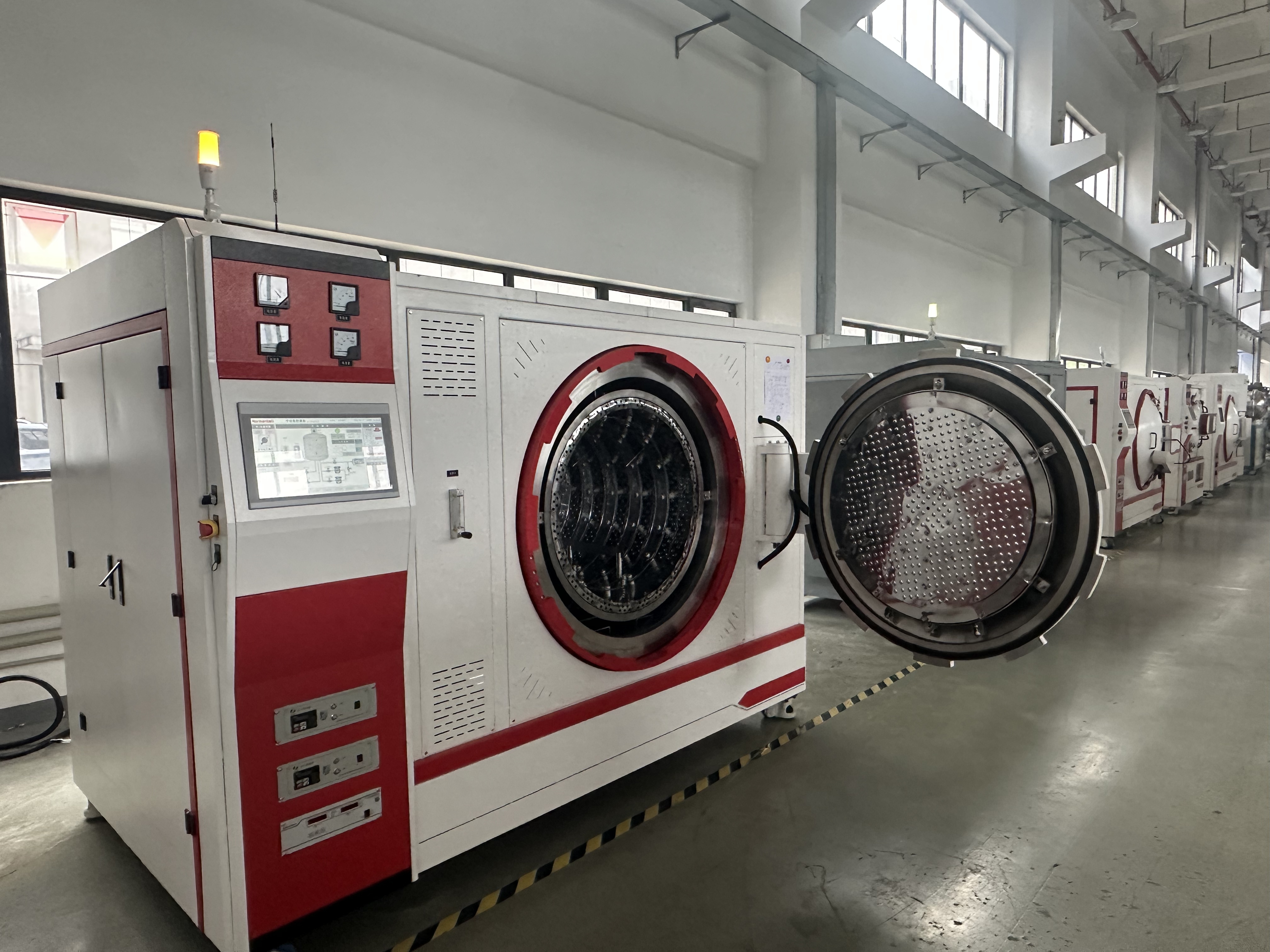
Vacuum furnaces provide the stable processing environment needed for high-quality tempering. By combining accurate temperature control, advanced vacuum systems, and programmable process cycles, these furnaces allow manufacturers to achieve repeatable and reliable heat treatment results.
For companies producing high-value components, investing in advanced vacuum heat treatment technology helps ensure consistent product quality, improved mechanical performance, and reduced post-processing requirements.
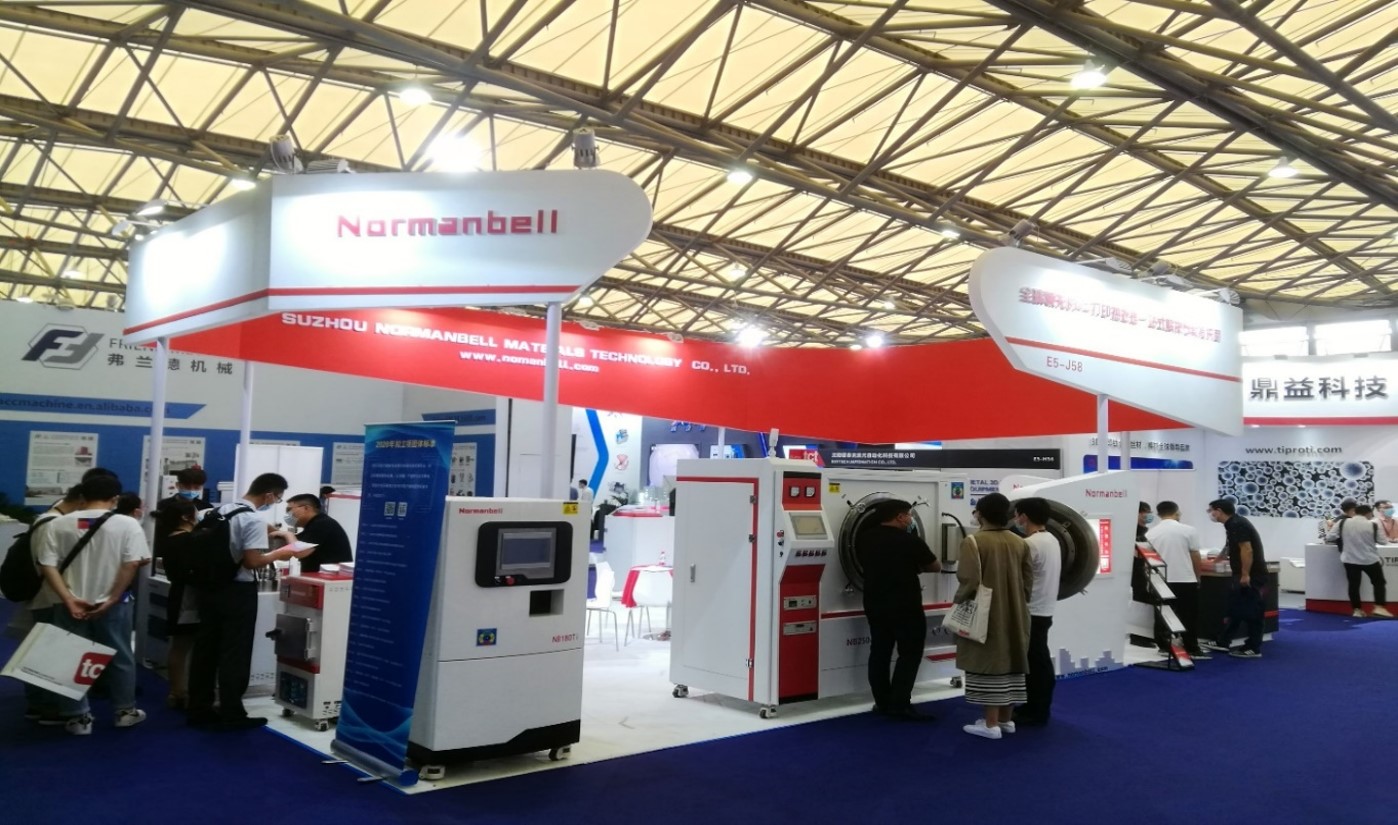
To support modern heat treatment requirements, Normantherm offers advanced vacuum furnace solutions engineered for precise control, clean processing, and reliable performance across a wide range of industrial applications.
For more information, you may contact us.
You may also like

Normanthan Broadens Its Impact Across Key High-Tech Industries
Normanthan Unveils Next-Generation Multi-Functional Vacuum Furnaces