Vacuum Heat Treatment of Endodontic Instruments: A Critical Step in Dental Tool Manufacturing
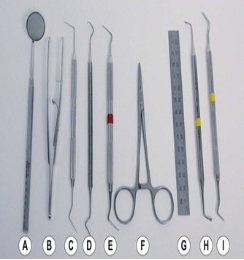
The dental industry places extreme demands on the instruments it relies on. Endodontic files, rotary cutting burs, scalers, and orthodontic wires must be precise, flexible, corrosion-resistant, and above all, safe for repeated use inside the human body. Achieving that combination of properties isn't just a matter of smart design; it comes down to how the metal is treated after it's shaped.
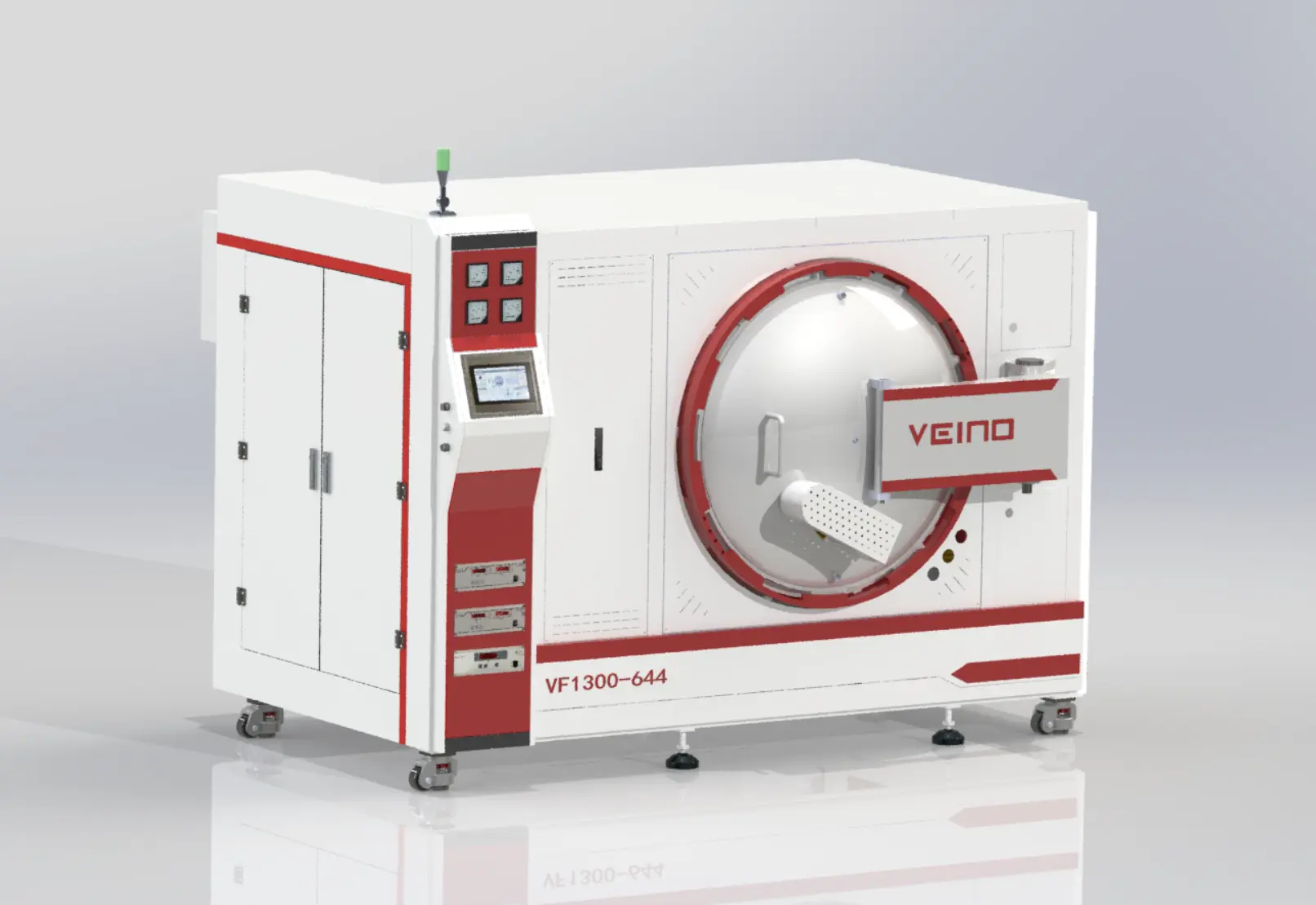
Vacuum heat treatment has become a standard part of producing high-performance dental instruments, and it's easy to understand why once you look at what these tools actually go through.
Why Dental Instruments Need Specialized Heat Treatment
Medical equipment made from stainless steel and titanium alloys requires varying degrees of flexibility and surface hardening depending on its final use. Heat treatment improves a product's corrosion resistance, biocompatibility, and strength so that it can withstand wear, and every medical device has a different use, which warrants a unique heat treatment process to provide the appropriate level of hardness and durability.
Dental instruments are a perfect example of this nuance. A rotary endodontic file, for instance, needs to be simultaneously stiff enough to cut through dentin and flexible enough to navigate curved root canals without snapping. That's a demanding mechanical balance, and it doesn't come from the alloy alone, it comes from precise thermal processing.
Nickel-titanium (NiTi), the alloy most commonly used in modern endodontic files, has a super-elastic property that is directly tied to its crystalline phase structure. That structure is set through heat treatment. Without a carefully controlled thermal cycle, a NiTi file won't exhibit the right flexibility, and it won't perform reliably under clinical stress.
Why Vacuum Is the Right Environment
Vacuum heat treatment increases the corrosion resistance, biocompatibility, and strength of the product, allowing it to withstand abrasion. For dental instruments that are repeatedly sterilized in autoclaves and exposed to saliva, blood, and chemical disinfectants, this matters enormously.
Processing in a vacuum eliminates the oxidation that would otherwise form on the surface of stainless steel or NiTi during heating. One of the reasons why vacuum heat treatment is ideal for medical applications is that it helps to prevent scale from forming on tools and stainless steels, streamlining the post-processing required to yield bright and shiny parts. For dental instruments, that clean, bright finish isn't cosmetic; it directly affects sterilizability and patient safety.
Conventional atmosphere furnaces simply can't meet this standard. Even trace oxidation can compromise the surface of a dental bur or scaler, creating micro-pitting where bacteria can harbor and resist sterilization. In an industry governed by strict biocompatibility requirements, that's not an acceptable outcome.
The Process in Practice
For dental instruments, vacuum heat treatment typically involves one or more of the following cycles, depending on the material and application:
Annealing is used to relieve internal stresses that build up during CNC machining or wire drawing. It softens the material slightly, restoring ductility and making the instrument less prone to fracture during use.
Solution treating and aging are critical for NiTi instruments. The alloy is first heated to a high temperature to dissolve secondary phases, then rapidly cooled, and finally aged at a lower temperature to precipitate the desired microstructure. This sequence is what gives modern rotary files their characteristic super-elasticity.
Stress relieving is applied to finished instruments like orthodontic wires and brackets to remove residual stresses without significantly altering hardness, preserving the tight dimensional tolerances that clinical fit demands.
These processes eliminate the need for additional cleaning or polishing after heat treatment, which is a meaningful advantage in dental manufacturing, where post-processing adds cost and introduces handling risk.
Normantherm designs and manufactures high-performance vacuum furnaces for precision heat treatment across medical, aerospace, and industrial applications. For information on furnace configurations suited to dental and medical instrument manufacturing, you may contact us.
You may also like
The Future of 3D Printing in Heat Treatment: How Normantherm is Leading the Way.
Vacuum Brazing Technology: The Key to Stronger and More Durable Joints.