Vacuum Heat Treatment in Cardiovascular Device Manufacturing
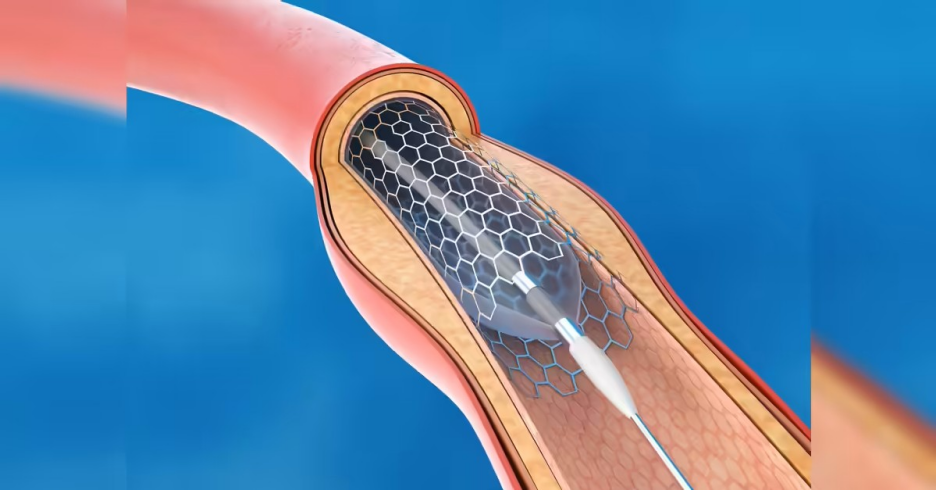
When a cardiologist deploys a stent inside a coronary artery, or a cardiac surgeon implants a mechanical heart valve, the device performing that work has already been through one of the most demanding manufacturing sequences in medicine. Cardiovascular implants must function flawlessly inside a dynamic, chemically hostile environment, within the human body under cyclic mechanical loading, for decades. The heat treatment that defines their final properties happens long before they reach the operating room, and getting it right is not optional.
Vacuum furnaces are at the center of that process.
The Materials of Cardiovascular Devices
Medical stents are manufactured from a range of alloys, including titanium, 316L stainless steel, cobalt-chromium alloys, platinum-chromium, and nitinol, each chosen for specific mechanical and biological reasons. Transcatheter heart valve frames, closure devices for atrial septal defects, and vascular occluders increasingly rely on nitinol, the nickel-titanium shape memory alloy, because of its unique ability to be compressed for catheter delivery and then spring back to its implant geometry inside the body.
Nitinol medical devices include cardiovascular implants, catheters for ablation and denervation, and devices for removing blood clots, such as those that cause strokes. The material's clinical reach across cardiology is substantial, and in every case, the properties that make it useful, super-elasticity and shape memory, are products of thermal processing, not the raw alloy alone.
Why Heat Treatment Is Central, Not Peripheral
Nitinol's functional behavior is governed by the transition temperature between its two crystalline phases: austenite and martensite. In order to keep the specific 3D design and the radial flexibility of a nitinol stent, the wire needs to undergo successive thermal treatments for shape-setting purposes. Without this, the stent won't deploy reliably, won't exert the correct radial force against the vessel wall, and won't recover predictably after compression.
Heat treatment enters as a vital process to relieve internal stresses and improve fatigue properties. Nitinol stents, which are generally self-expanding, utilize the elastic properties of the alloy and require a shape-setting process to fix the final shape of the stent.
For cobalt-chromium stent platforms, the challenge is different but equally demanding. After laser cutting, the strut material carries significant residual stress from the machining process. Cobalt alloy stents with thinner struts generate less blood vessel coverage so that reendothelialization can be accelerated and thrombosis reduced, but achieving that strut thinness without sacrificing fatigue life requires precise annealing to relieve cutting-induced stress while preserving the alloy's mechanical strength.
The Vacuum Advantage for Cardiac Components
Cardiovascular devices are small, structurally intricate, and implanted in a particularly corrosion-aggressive environment, the bloodstream, with its chloride ions, proteins, and constant mechanical motion. Any surface degradation, oxidation, or contamination introduced during manufacturing becomes a potential source of ion release, inflammation, or fatigue crack initiation. That's why atmosphere furnaces are simply not suited to this work.
Inter-pass anneals conducted in inert or vacuum environments prevent oxidation and preserve the material's integrity. Processing in a vacuum eliminates the chromium depletion and surface scaling that would occur at high temperatures in air, ensuring the finished device retains its full corrosion resistance and biocompatibility, properties that regulatory bodies require and that patients depend on.
Vacuum heat treatment increases the corrosion resistance, biocompatibility, and strength of the product, allowing it to withstand abrasion. For a stent that must resist both mechanical fatigue and electrochemical attack simultaneously over its entire service life, that combination isn't a nice-to-have; it's a design requirement.
Looking Ahead
The cardiovascular device market continues to shift toward minimally invasive, catheter-delivered systems. Advances in 3D printing and robotic assistance enable surgeons to place hardware with increased accuracy and precision, while new materials and manufacturing techniques allow manufacturers to fine-tune implant characteristics for improved outcomes. As device geometries grow more complex and alloy systems more specialized, the furnace systems supporting their manufacture must keep pace, with tighter temperature control, cleaner processing environments, and more flexible programming for multi-stage thermal cycles.
Vacuum heat treatment is not a back-end finishing step in cardiovascular device manufacturing. It is the process that gives these devices their clinical identity. Investing in the right furnace capability is, in that sense, an investment in patient outcomes.
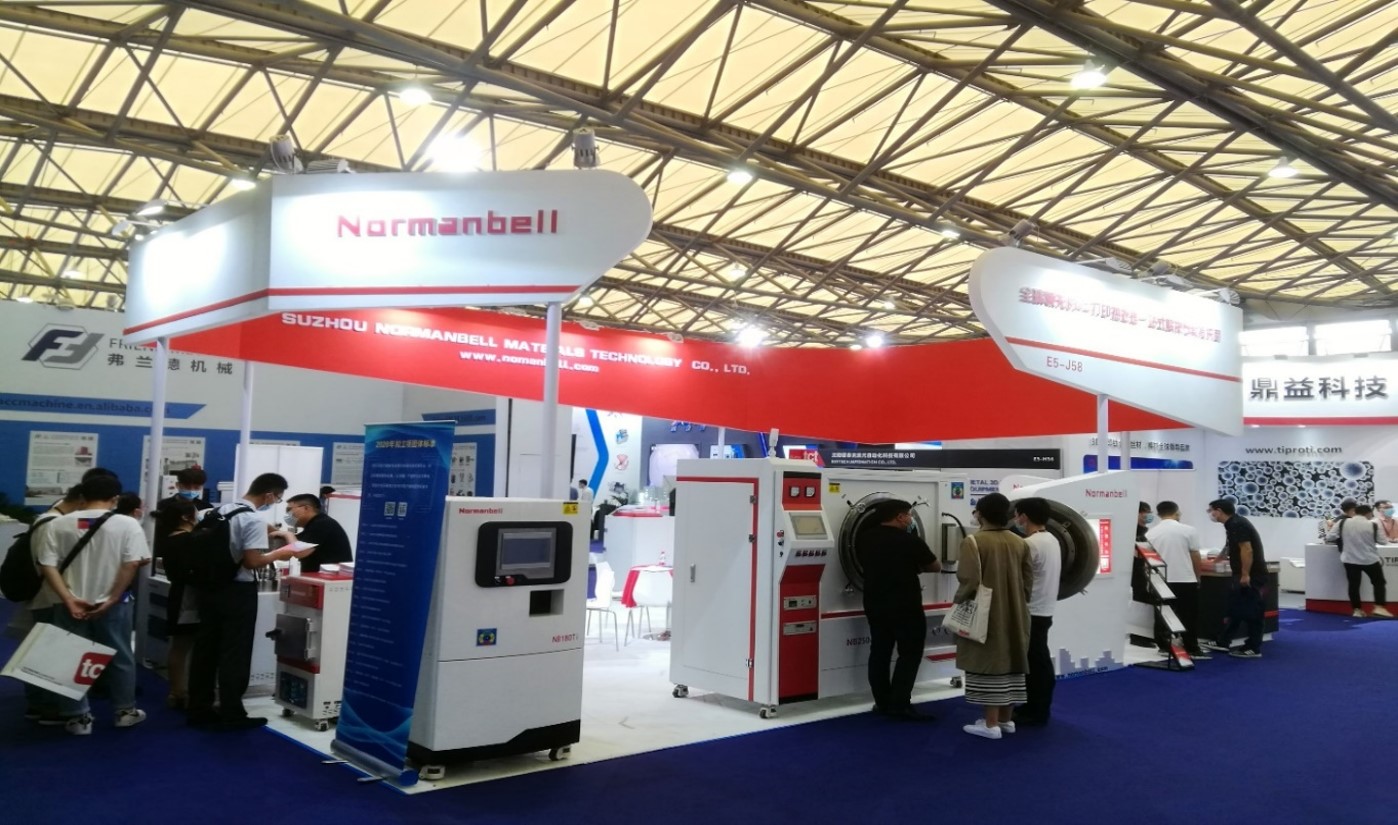
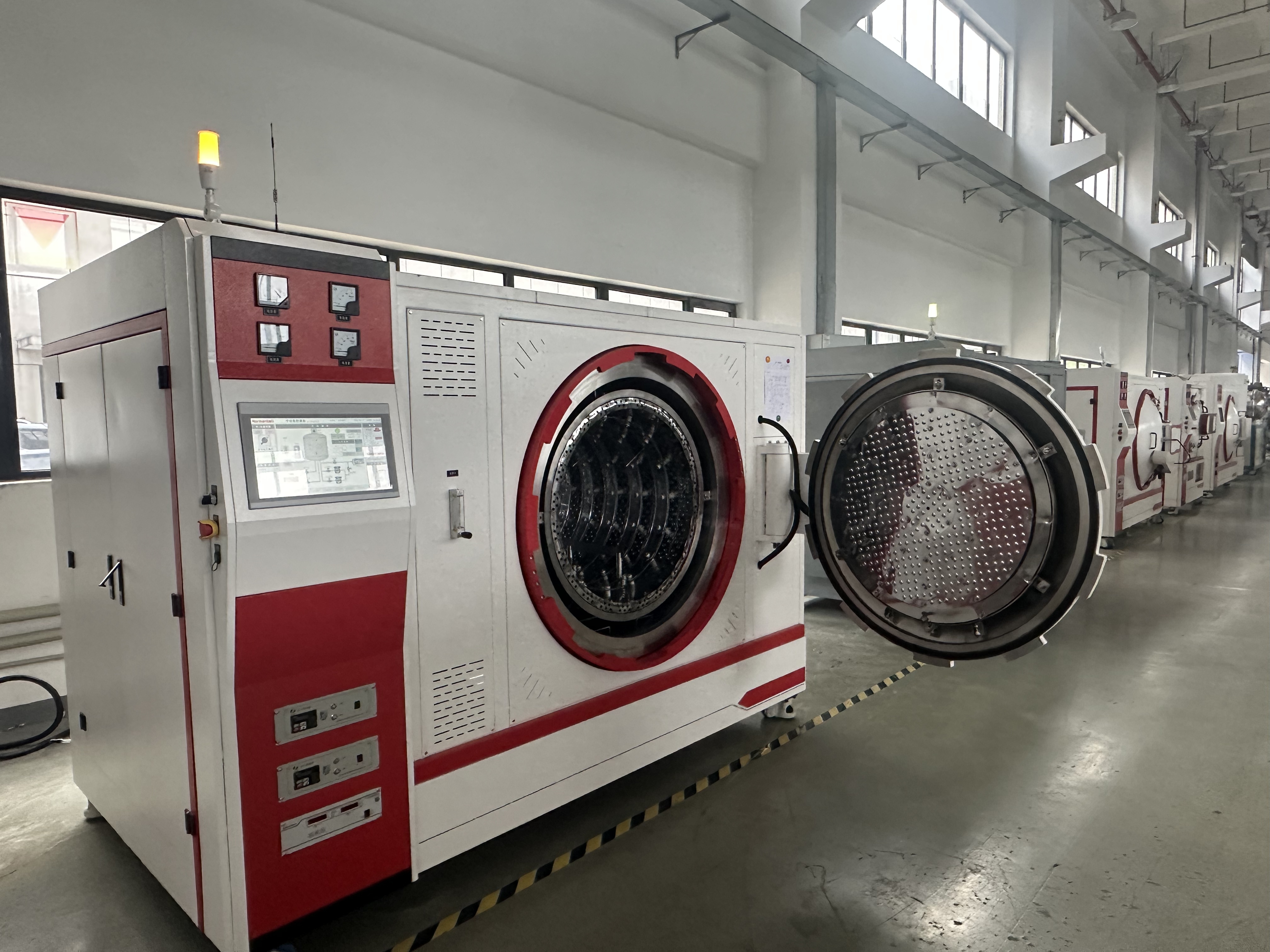
Normantherm designs and manufactures high-performance vacuum furnaces for precision heat treatment across medical, aerospace, and industrial applications. To discuss furnace configurations suited to cardiovascular device and nitinol shape-setting applications, you may contact us.
You may also like

Normanthan Broadens Its Impact Across Key High-Tech Industries
Normanthan Unveils Next-Generation Multi-Functional Vacuum Furnaces