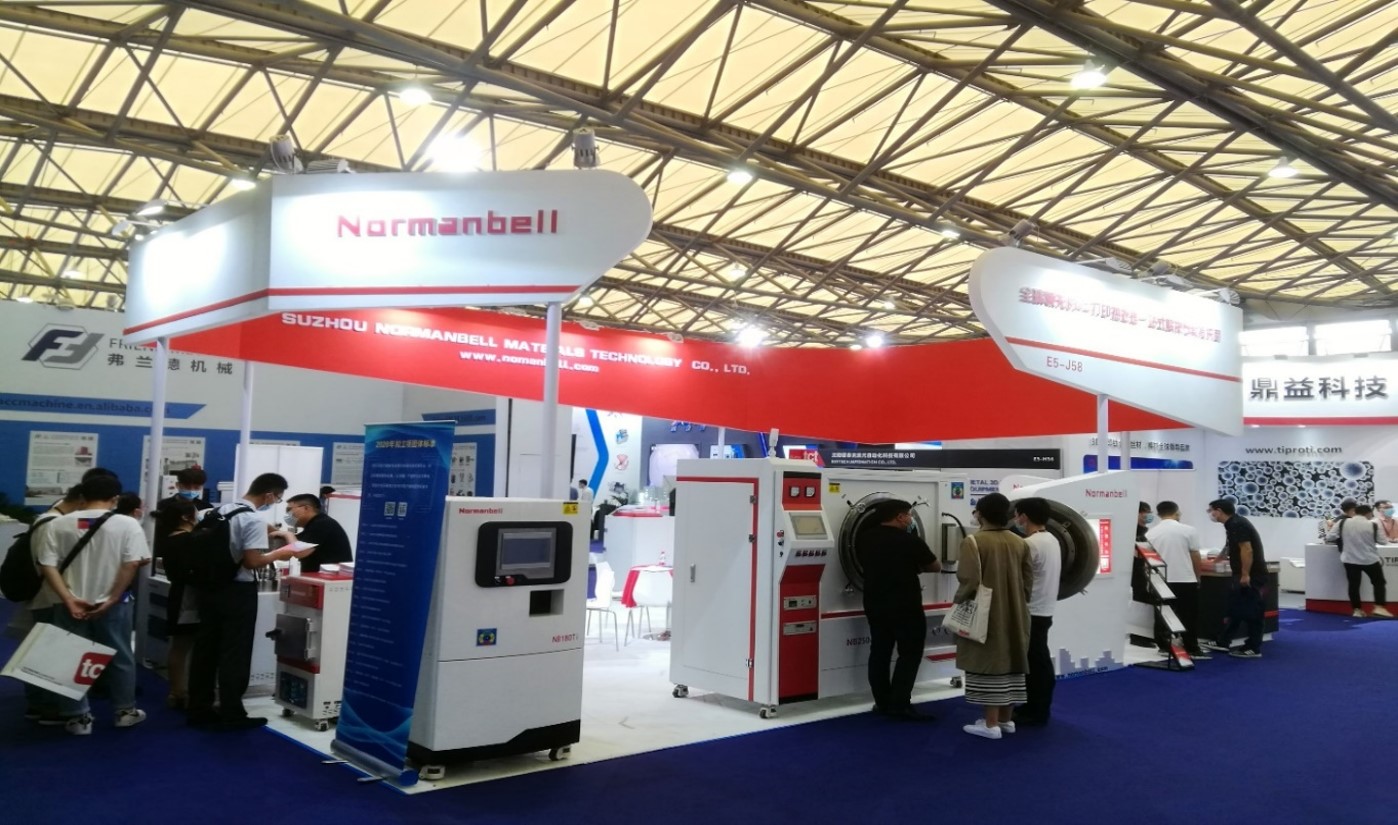
Vacuum Furnace vs Atmospheric Furnace Environment comparision
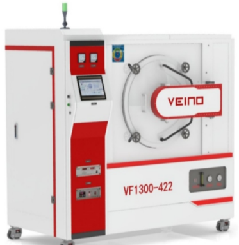
Vacuum furnaces provide ultra-clean, oxygen-free environments ideal for high-purity heat treatments, while atmospheric furnaces rely on controlled gas flows to protect or react with materials. The choice depends on whether purity or versatility is the priority.
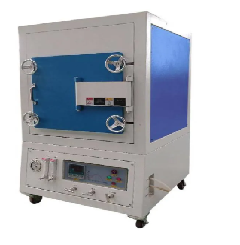
Key Differences Between Vacuum and Atmospheric Furnaces
1. Operating Environment
Vacuum Furnace: Removes air and reactive gases, creating pressures as low as possible. This prevents oxidation and contamination, producing bright, clean surfaces.
Atmospheric Furnace: Operates at or near ambient pressure (~760 Torr) and uses gases like nitrogen, argon, or endothermic gas to shield or react with metals. Requires constant monitoring of gas purity and dew point.
2. Surface Quality
Vacuum Furnace: Delivers oxidation-free, bright finishes without the need for post-process cleaning.
Atmospheric Furnace: Even with inert gases, trace oxygen can cause oxide scales or decarburization, often requiring sandblasting or acid pickling.
3. Process Control
Vacuum Furnace: Offers precise, uniform heating with minimal distortion, making it ideal for sensitive alloys and precision components.
Atmospheric Furnace: Provides flexibility to introduce reactive gases for processes like carburizing or nitriding, enabling surface modification.
4. Applications
Vacuum Furnace: Best for aerospace, medical, electronics, and tool steels where contamination-free results are critical.
Atmospheric Furnace: Common in automotive and general manufacturing where cost efficiency and versatility are more important.
5. Costs & Maintenance
Vacuum Furnace: Higher initial investment and maintenance (vacuum pumps, seals, oil changes).
Atmospheric Furnace: Lower equipment cost but ongoing expenses for gas supply and monitoring. Conclusion
Choose a vacuum furnace if your priority is purity, precision, and oxidation-free results.
Choose an atmospheric furnace if you need versatility, lower cost, and the ability to modify material surfaces.
You may also like

Normanthan Broadens Its Impact Across Key High-Tech Industries
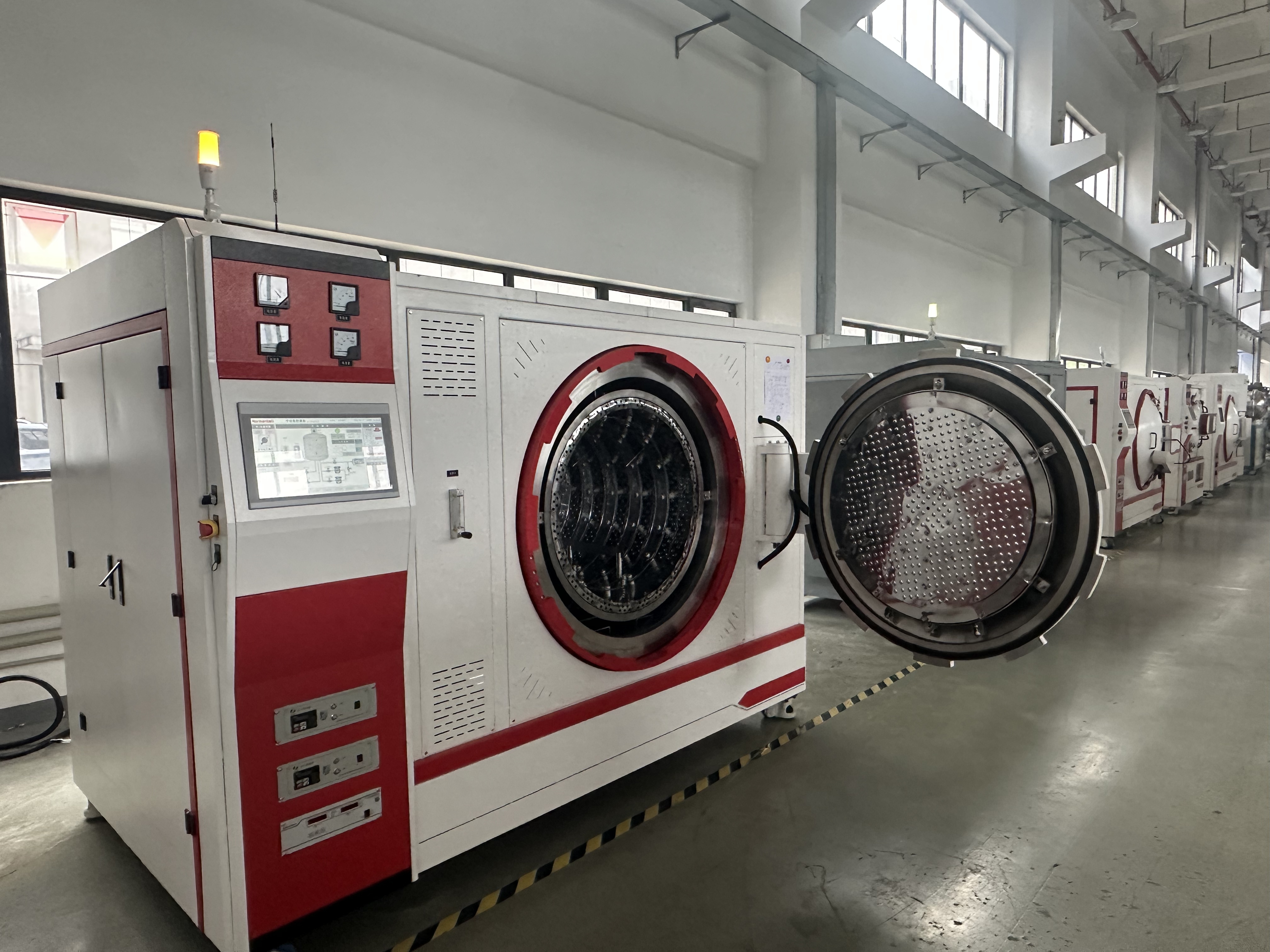
Normanthan Unveils Next-Generation Multi-Functional Vacuum Furnaces