Vacuum Furnace Leak Detection: Finding Problems Before They Cost You

Every vacuum furnace leaks. That might sound alarming, but it's the reality of working with large chambers, multiple feedthroughs, door seals, and plumbing connections, all operating under negative pressure. The question isn't whether your furnace has leaks. The question is whether those leaks are small enough to ignore or large enough to ruin your process.
A furnace that held a perfect vacuum last month might not hold it today. Seals age, gaskets compress, welds develop micro-cracks, and fittings loosen over time. If you're noticing longer pump-down times, rising base pressure, or parts coming out with unexpected discoloration, there's a good chance air is getting into places it shouldn't.
Why Leaks Matter More Than People Think
In atmosphere furnaces, a small leak might go unnoticed. In a vacuum furnace, even a tiny one changes things. Air infiltration introduces oxygen and moisture into the chamber; two things that have no business being near your workload during processing.
The consequences depend on what you're running. In hardening operations, oxygen contamination can cause surface decarburization or scaling that defeats the purpose of processing under vacuum in the first place. In brazing, especially with aluminum or stainless steel, even trace amounts of air can prevent proper filler flow and produce weak, unreliable joints. For sintering applications, leaks can affect density, surface finish, and mechanical properties of the final part.
Beyond part quality, leaks also put extra load on your pumping system. A rotary vane pump working harder than it should wears out faster. A diffusion pump struggling against constant air ingress burns through oil and loses efficiency. What starts as a minor pressure issue slowly turns into a maintenance headache and, eventually, an unplanned shutdown.
Common Leak Sources
If you've been running vacuum furnaces long enough, you already know the usual suspects. Door seals sit at the top of the list; they take mechanical abuse from every opening and closing cycle, they get scratched by debris, and elastomer O-rings gradually lose their flexibility with age and heat exposure.
Power feedthroughs are another frequent culprit. These electrical connections pass through the chamber wall and rely on ceramic-to-metal seals or O-rings that can degrade over time, especially if they've been exposed to thermal cycling or accidental overheating.
Thermocouple ports, gas inlet fittings, water-cooling connections, and sight-glass windows all represent potential leak paths. Basically, anywhere the chamber wall is penetrated or interrupted is a place worth checking.
Weld joints on the chamber itself are less common sources of leaks on newer furnaces, but on older equipment that's seen years of thermal cycling, stress cracks can develop, particularly around nozzle connections and structural transitions.
Pressure Rise Testing: The First Line of Defense
The simplest and most commonly used leak detection method is the pressure rise test. The concept is straightforward: pump the chamber down to operating vacuum, isolate it from the pumping system, and watch what happens to the pressure over a set period of time.
A healthy furnace will show minimal pressure rise. A leaking one will show pressure climbing steadily as air finds its way in. The rate of rise tells you roughly how severe the problem is, though it won't tell you where the leak is located.
Most manufacturers recommend performing a pressure rise test on a regular basis, weekly or monthly, depending on production intensity. Keeping a log of these results over time is genuinely useful. A gradual upward trend in leak rate often signals a developing problem well before it becomes critical.
One thing worth noting, outgassing from internal components, particularly graphite insulation, can mimic a leak during pressure rise testing. If the chamber was recently opened for maintenance or the hot zone absorbed moisture, you may see elevated pressure that isn't actually coming from a leak. Conditioning the furnace with a bake-out cycle before testing helps separate real leaks from outgassing noise.
Helium Leak Testing: Pinpointing the Source
This method uses a helium mass spectrometer leak detector connected to the vacuum system. While the detector monitors the chamber, a technician sprays small amounts of helium gas around suspected leak points on the outside of the furnace.
When helium hits a leak path, it's drawn into the chamber by the vacuum and picked up almost immediately by the detector. Because helium atoms are extremely small and the detector is highly sensitive, this method can locate leaks far too small to find by any other means.
Helium testing does require some patience and technique. Spraying too much helium too fast can flood the area and make it difficult to isolate the exact location. Working methodically, one fitting, one seal, one weld at a time, gives the clearest results.
For furnaces processing aerospace components, medical parts, or anything under NADCAP or similar quality systems, periodic helium leak testing is often a requirement rather than a recommendation.
Practical Tips
Experienced furnace operators develop habits that catch leaks early. Paying attention to pump-down curves is one of the most reliable indicators; if the furnace used to reach base vacuum in 30 minutes and now it takes 45, something changed. Logging these times alongside maintenance records creates a useful diagnostic history.
When replacing O-rings, inspect the sealing surfaces carefully before installing new ones. A perfectly good O-ring won't seal against a scratched or corroded groove. Clean the surfaces, check for damage, and apply a thin layer of vacuum grease where appropriate.
After any maintenance that involves opening the chamber or disconnecting fittings, run a leak check before putting the furnace back into production. It takes a fraction of the time compared to diagnosing a quality issue after an entire load of parts has been compromised.
Keep spare O-rings, gaskets, and common fittings in stock. A leak identified on a Friday afternoon shouldn't mean lost production until parts arrive midweek.
When to Call for Professional Help
Minor leaks at door seals or fittings are part of routine maintenance and most in-house teams handle them without difficulty. But if leak rates are climbing despite seal replacements, or if helium testing points to the chamber body, cooling jacket, or a feedthrough that can't be easily accessed, it's time to bring in the furnace manufacturer or a qualified service team.
Chamber wall repairs, feedthrough replacements, and welding work on pressure boundaries require specific expertise and equipment. Getting it done right the first time saves far more than attempting a temporary patch that fails two weeks later.
To sum up, Leak detection isn't glamorous work, but it's foundational to everything a vacuum furnace is supposed to do. Clean processing, repeatable metallurgy, long pump life, and consistent part quality all depend on maintaining a tight chamber.
Build leak checks into your routine. Log your results. Act on trends before they become emergencies. Your furnace and your production schedule will thank you for it.
For more queries and information, you may contact us.
Normantherm Vacuum Furnace
You may also like

Normanthan Broadens Its Impact Across Key High-Tech Industries
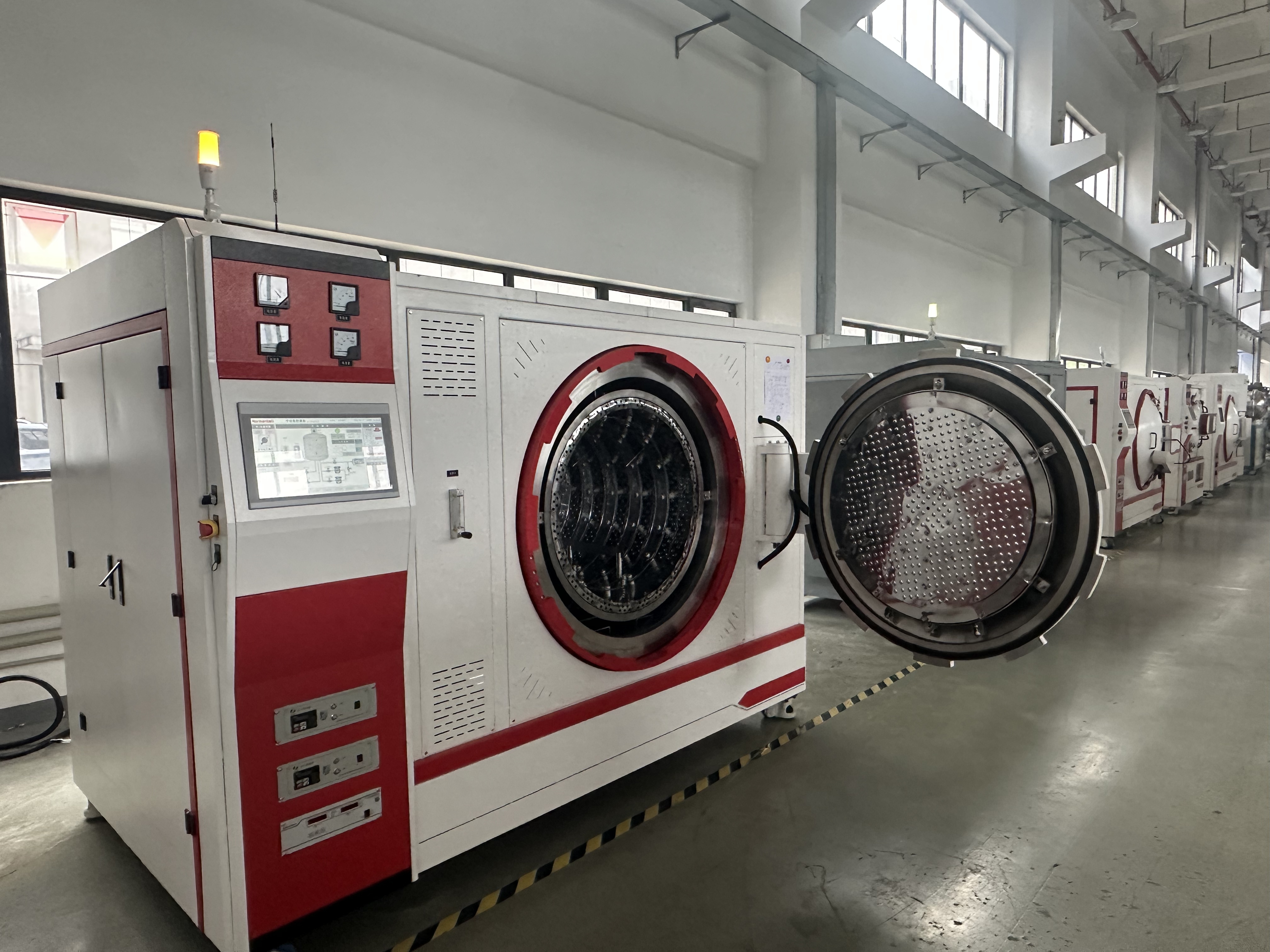
Normanthan Unveils Next-Generation Multi-Functional Vacuum Furnaces