
Vacuum Brazing Metal to Ceramics
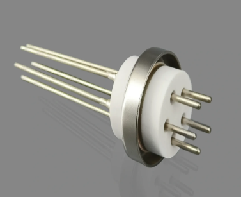
In the world of advanced manufacturing, joining metals to ceramics is often compared to "gluing oil to water." These materials are fundamental opposites: metals are ductile and thermally conductive, while ceramics are brittle, insulating, and heat-resistant. Vacuum brazing has emerged as the definitive solution for creating hermetic, high-strength bonds between these mismatched partners.
The Process: How it Works
Vacuum brazing solves these issues through a controlled, high-temperature environment (typically above 800°C) and specialized chemistry:
- Surface Preparation: The ceramic is often "metallized" (coated with a thin layer of metal) or, more commonly today, an Active Brazing Alloy (ABA) is used. These alloys contain "active" elements like Titanium, which chemically react with the ceramic to create a bondable surface.
- The Vacuum Environment: By removing air, the process prevents oxidation of the metal and the brazing filler. This ensures a "clinical" level of cleanliness, which is vital for the chemical reaction between the titanium and the ceramic.
- Capillary Action: Once the furnace reaches the melting point of the filler metal, the alloy flows into the microscopic gaps between the metal and ceramic parts, driven by capillary forces.
- Controlled Cooling: The furnace temperature is lowered slowly and precisely to manage internal stresses caused by the differing expansion rates of the two materials.
Applications:
This process is the backbone of several high-tech industries:
- Aerospace: Used for ceramic-tipped turbine blades and sensors that must survive extreme heat.
- Medical: Essential for biocompatible implants and X-ray tube assemblies where a vacuum-tight seal is mandatory.
- Semiconductors: Creating ceramic insulating layers in power modules that require high thermal dissipation.
Keep reading...
You may also like
February 21, 2025
The Future of 3D Printing in Heat Treatment: How Normantherm is Leading the Way.
February 21, 2025
Vacuum Brazing Technology: The Key to Stronger and More Durable Joints.
June 7, 2025