Understanding the Impact of Vacuum Furnace Brazing on Aerospace Materials
The aerospace industry operates under strict standards that demand materials with outstanding performance, reliability, and durability. One crucial technique that enhances the quality and functionality of these materials is vacuum furnace brazing.
The Basics of Vacuum Furnace Brazing
Vacuum furnace brazing is a method that joins metals and alloys using a filler metal heated in a vacuum atmosphere. Typically occurring at temperatures ranging from 1,100 to 2,200 degrees Fahrenheit, the process allows the filler metal to flow into the joint, forming a solid bond.
Advantages of Vacuum Furnace Brazing in Aerospace
A key advantage of vacuum furnace brazing is its ability to produce strong, high-quality joints. This controlled environment significantly minimizes contamination risks, while precise temperature regulation reduces thermal stresses that could compromise component integrity. Research indicates that joints created through this method can achieve tensile strengths upwards of 50,000 psi, crucial for applications facing extreme conditions, such as those found in aerospace environments.
Improved Material Properties
The vacuum brazing process notably enhances the mechanical properties of joined materials. This improvement results from the uniform flow and solidification of the filler metal, leading to superior tensile strength and fatigue resistance. For instance, components undergoing this process can sustain up to 30% greater fatigue limits compared to those joined through traditional methods, which is especially critical in aerospace, where parts endure significant stress and thermal cycling during operation.
Practical Applications in the Aerospace Industry
Many essential components in aerospace systems benefit from vacuum furnace brazing. Specific examples include:
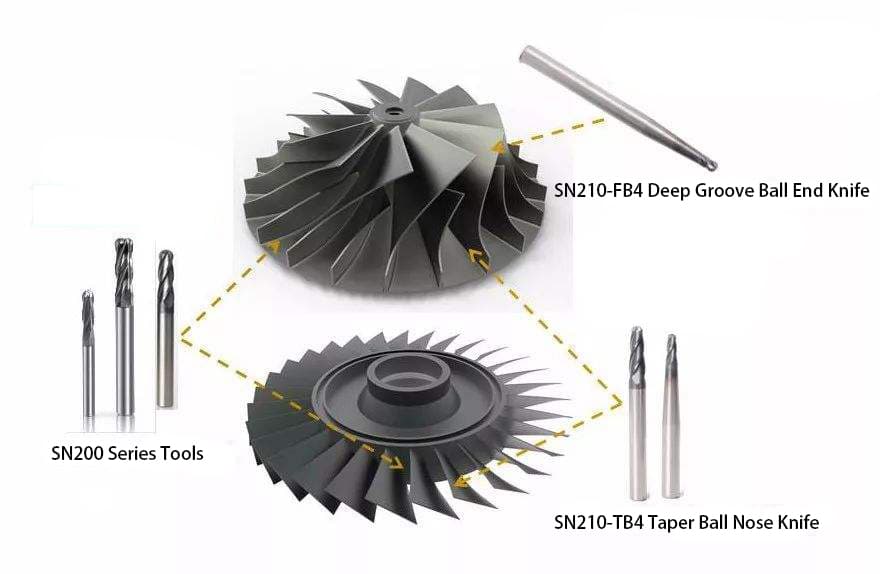
Turbine Blades: These are subjected to high temperatures and mechanical stress. Brazing enhances their durability and efficiency.
Heat Exchangers: Brazing improves the thermal performance and efficiency of these components.
Structural Frames: Lightweight yet strong joints created by brazing facilitate modern aerospace design.
The ability to produce robust and lightweight joints accelerates innovation, allowing engineers to develop more efficient aircraft and spacecraft.
Closing Thoughts
Vacuum furnace brazing is integral to enhancing the performance of aerospace materials. By enabling high-quality joints and improved material properties, along with the capacity to join dissimilar metals, this technology significantly advances aerospace engineering. As the industry evolves, mastering innovative techniques like vacuum brazing is increasingly vital, solidifying its place as a cornerstone of aerospace material development.
You may also like

Normanthan Broadens Its Impact Across Key High-Tech Industries
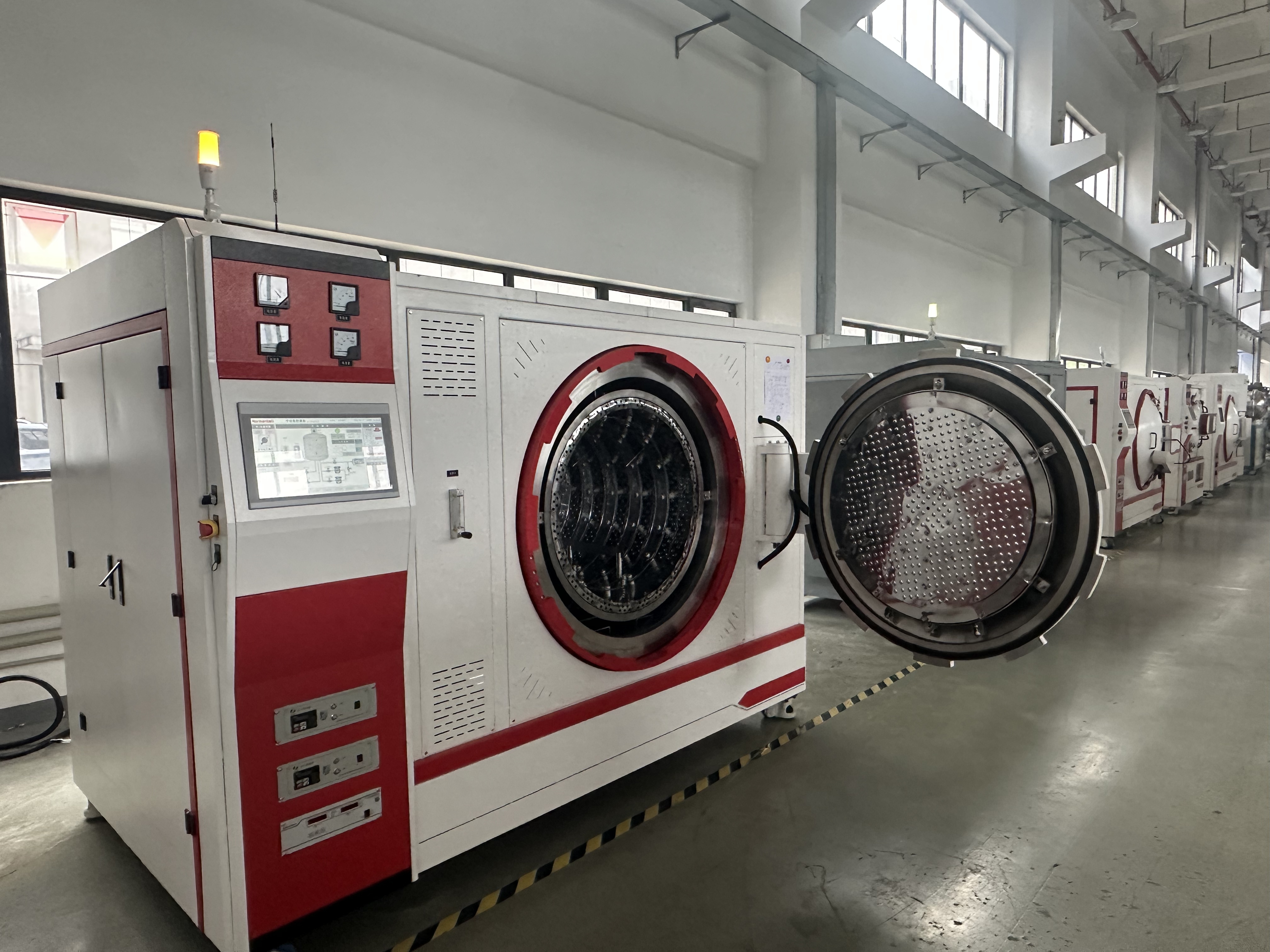
Normanthan Unveils Next-Generation Multi-Functional Vacuum Furnaces