Top 10 Materials Processed in a Vacuum Heat Treatment Furnace

Vacuum heat treatment is used across industries where material performance cannot be left to chance, such as aerospace, medical, automotive, tooling, and more. The absence of oxygen inside a vacuum furnace prevents oxidation and contamination, allowing materials to be heated and cooled in a precisely controlled environment that delivers clean, consistent, and repeatable results.
Here are the top 10 materials commonly processed in vacuum heat treatment furnaces.
1. Tool Steel
Tool steels are among the most frequently processed materials in vacuum furnaces. Used in cutting tools, dies, and molds, they require precise hardening and tempering cycles to achieve the right balance of hardness and toughness. Vacuum treatment prevents surface decarburization, a common problem in conventional atmosphere furnaces, delivering bright, clean parts ready for use with minimal post-processing.
2. High-Speed Steel (HSS)
High-speed steels like M2 and M42 are used in drills, end mills, and gear cutters. They require high austenitizing temperatures, sometimes exceeding 1200°C, where atmosphere control is critical. Vacuum processing ensures no surface degradation at these extreme temperatures, extending tool life significantly.
3. Stainless Steels
Stainless steel parts, surgical instruments, aerospace fasteners, and food processing equipment must come out of heat treatment clean and corrosion-resistant. Vacuum annealing and solution treating remove internal stresses and restore the material's microstructure without discoloring or damaging the passive oxide layer that gives stainless steel its corrosion resistance.
4. Titanium Alloys
Titanium is highly reactive at elevated temperatures and will rapidly oxidize or absorb gases like oxygen, nitrogen, and hydrogen if heated in open air. This makes vacuum heat treatment not just preferable, but essential. Aerospace and medical implant manufacturers rely on vacuum furnaces to anneal and age titanium alloys without any surface contamination.
5. Nickel Superalloys
Used in jet engine turbine blades and industrial gas turbines, nickel superalloys like Inconel and Waspaloy must maintain their mechanical properties at extreme temperatures. Vacuum solution annealing and aging of these alloys ensures a clean, controlled microstructure that meets the strict metallurgical requirements of the aerospace and power generation industries.
6. Aluminum Alloys
Aluminum alloys used in aerospace structures, EV battery components, and automotive parts undergo solution heat treatment and aging in vacuum or controlled atmosphere furnaces. The clean environment prevents surface oxidation and ensures uniform heating, critical for thin-section parts where temperature variation directly impacts final mechanical properties.
7. Copper and Copper Alloys
Copper and its alloys, brass, bronze, and beryllium copper, are commonly annealed in vacuum furnaces to restore ductility after cold working. Vacuum annealing produces a bright, oxide-free surface and prevents hydrogen embrittlement, which is a known risk when processing copper in certain atmosphere furnaces.
8. Cemented Carbides (Tungsten Carbide)
Cemented carbide cutting inserts and wear parts are sintered and treated in vacuum furnaces. The vacuum environment prevents oxidation of the cobalt binder phase and ensures full densification of the carbide, resulting in consistent hardness and wear resistance across the entire part.
9. Magnetic Alloys
Soft magnetic alloys such as mu-metal, permalloy, and iron-silicon alloys require careful annealing to develop their optimal magnetic properties. Even trace contamination from oxygen or nitrogen during heat treatment can significantly degrade magnetic performance. Vacuum annealing ensures the material reaches its full magnetic potential, important for sensors, transformers, and precision instruments.
10. Refractory Metals (Molybdenum, Tungsten, Tantalum)
Refractory metals have melting points well above 2000°C and are used in high-temperature industrial applications, electronics, and aerospace components. They are extremely sensitive to oxidation at elevated temperatures. Vacuum furnaces are the only practical option for sintering, annealing, and stress relieving these materials at the temperatures required.
The Right Furnace for The Right Materials
Each of these materials has unique temperature requirements, cooling rate sensitivities, and contamination thresholds. A high-quality vacuum furnace must deliver stable vacuum levels, precise temperature uniformity, and programmable process control to handle this full range of materials reliably.
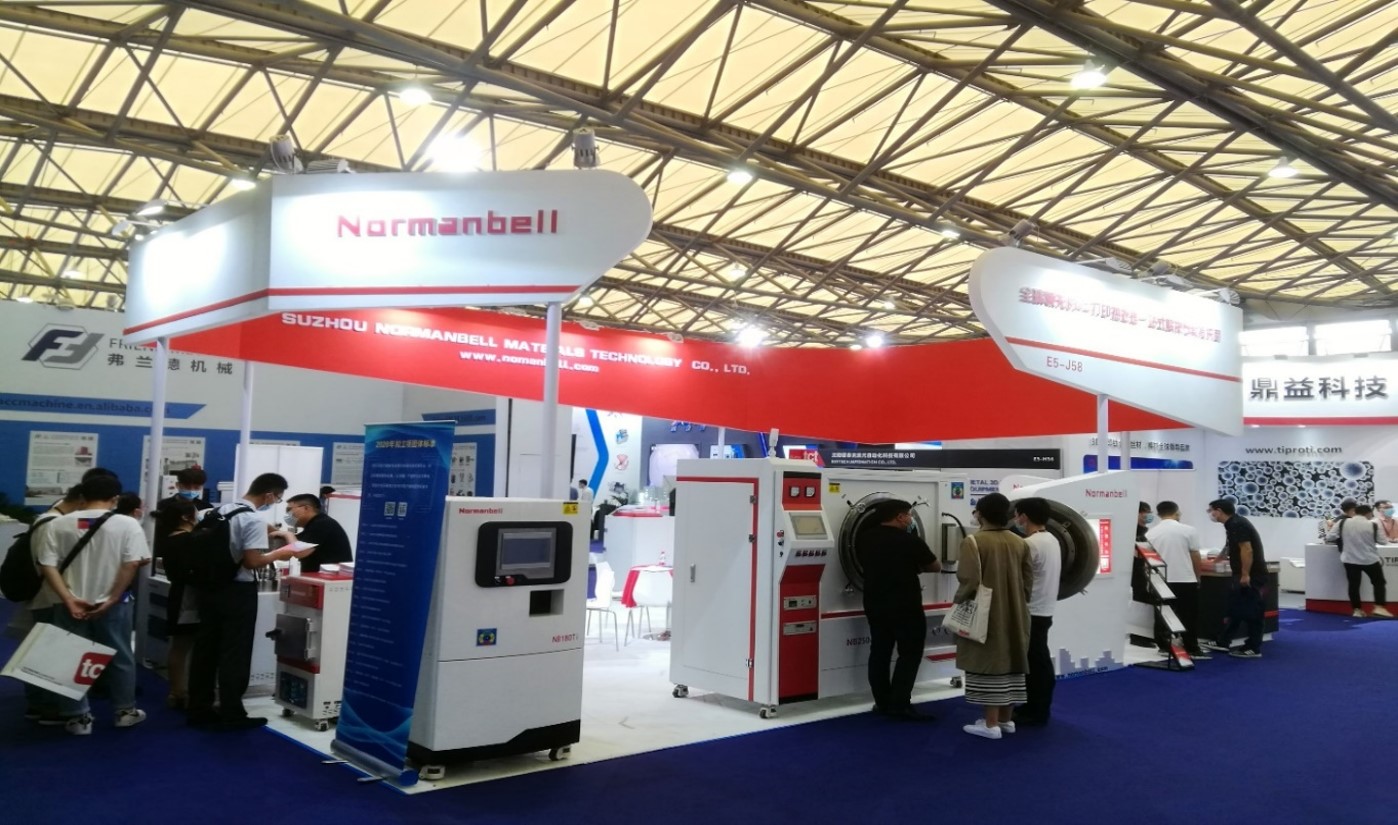
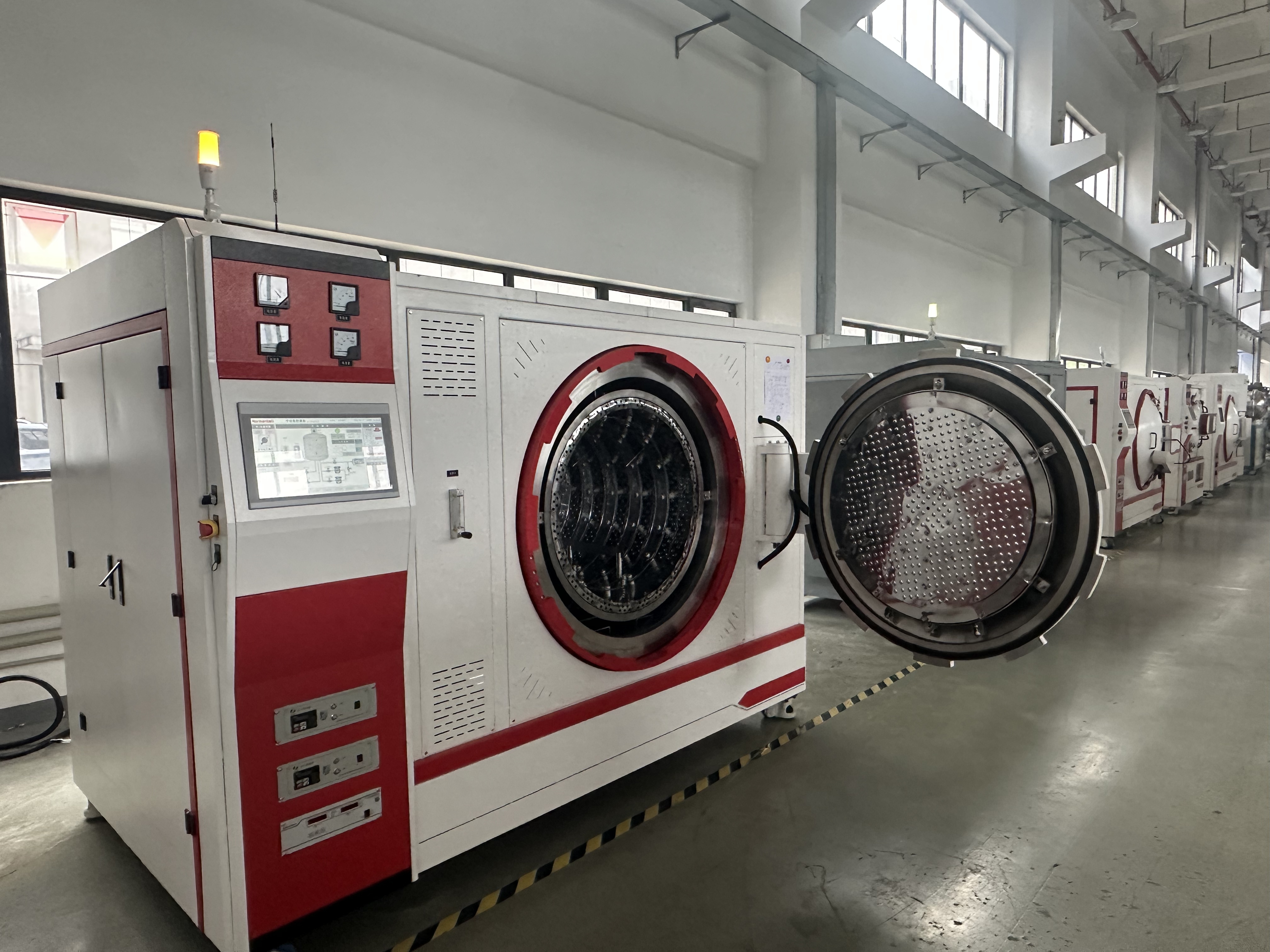
Normantherm vacuum furnaces are built to meet these demands, whether you are hardening tool steels in daily production or processing exotic superalloys for aerospace qualification.
Contact Normantherm today to find the right vacuum furnace for your materials and process requirements.
You may also like

Normanthan Broadens Its Impact Across Key High-Tech Industries
Normanthan Unveils Next-Generation Multi-Functional Vacuum Furnaces