The Small Screw That Cannot Afford to Fail: Why Titanium Bone Screws Need Vacuum Heat Treatment

Think about the last time you heard of someone having a fracture repaired, a spinal fusion, or even a dental implant placed. Somewhere in that procedure, almost certainly, a titanium screw was involved. Small, unassuming, and usually forgotten the moment the incision closes, these screws are quietly doing one of the most demanding jobs in medicine: holding bone together while the body heals around them.
What most people don't realize is that getting a titanium bone screw to that operating theatre isn't straightforward. Before it ever touches a patient, it goes through a carefully controlled thermal process, one that can only be done properly in a vacuum furnace.

Why Titanium, and Why Is It So Demanding to Process?
Titanium became the material of choice for orthopaedic and dental implants for good reason. It is lightweight, exceptionally strong, and, most importantly, biocompatible. The human body accepts it without triggering an immune response, and over time, bone tissue actually grows into and bonds with the titanium surface. This process is called osseointegration, and it is what makes a titanium screw feel like part of the skeleton rather than a foreign object.
But titanium has a temperamental side. It is a highly reactive metal, especially at elevated temperatures. Expose it to oxygen, nitrogen, or hydrogen during heating and you get surface contamination, oxides, nitrides, and hydrides that weaken the metal, compromise biocompatibility, and can cause the implant to fail inside a patient's body. That is not a risk anyone in medical manufacturing is willing to take.
This is where vacuum heat treatment becomes not just preferable, but essential.
What Happens Inside the Furnace
The heat treatment of titanium bone screws typically involves vacuum annealing, a process of heating the component to a precise temperature, holding it there for a set duration, and then cooling it in a controlled manner. All of this takes place inside a sealed chamber where the atmosphere has been evacuated to a very low pressure, eliminating virtually all oxygen and reactive gases.
The result is a screw that comes out of the furnace with the mechanical properties it needs: improved ductility, relieved internal stresses from machining, and consistent microstructure throughout. Crucially, the surface remains clean and bright, no discolouration, no oxide layer, no contamination that would need to be removed or that could compromise the implant's performance in the body.
Some screws also undergo solution treatment and ageing, a more complex sequence that increases fatigue strength and yield strength, which matters enormously for implants that will be loaded repeatedly over years or decades. Spinal fixation screws, for example, experience constant mechanical stress with every movement the patient makes. They cannot bend, relax, or lose holding power over time.
The Consequences of Getting It Wrong
It is worth pausing to consider what is actually at stake. A titanium bone screw is not a component that gets inspected, serviced, or replaced easily. Once it is inside a patient, it is expected to perform, without issue, for the rest of that patient's life in many cases. A hip replacement recipient may need their implants to last 30 or 40 years. A spinal fusion patient is counting on their hardware not loosening or fracturing.
If the heat treatment introduces contamination, causes inconsistent hardness, or produces microstructural defects, those problems don't announce themselves immediately. They emerge gradually, in the form of implant loosening, stress fractures, or, in the worst cases, catastrophic failure requiring revision surgery. That is a significant clinical risk for the patient and a serious liability issue for the manufacturer.
This is why medical device manufacturers who process titanium implants don't just prefer vacuum furnaces, they specify them. Regulatory standards and quality systems in the medical sector make it essentially non-negotiable.
What to Look for in a Vacuum Furnace for This Application
Not all vacuum furnaces are created equal, and for medical titanium processing, the requirements are specific. The furnace needs to achieve and maintain vacuum levels appropriate for titanium, typically in the range of 10^-5 mbar or better. Temperature uniformity is equally critical; inconsistent temperatures across the hot zone mean inconsistent properties across the batch, which is unacceptable in a regulated medical manufacturing environment.
The hot zone itself matters too. Titanium is sensitive to contamination from furnace components, which is why metal hot zones, free from graphite, are the preferred choice for dedicated medical work. Fixtures and the furnace interior must be thoroughly cleaned and baked out between runs to prevent cross-contamination.
Process traceability is another key consideration. Medical manufacturers operate under strict quality management systems and need complete documentation of every thermal cycle, temperatures, vacuum levels, hold times, and cooling rates, for every batch that goes through the furnace. A modern vacuum furnace should be able to log and report all of this automatically.
A Straightforward Process With No Room for Shortcuts
Vacuum heat treatment of titanium bone screws is, in some ways, a straightforward industrial process. Load the parts, pull vacuum, run the cycle, unload. But the margin for error is essentially zero, and the performance requirements of the furnace, in terms of vacuum integrity, temperature control, and process repeatability, are high.
For manufacturers producing these components, the furnace is not just another piece of equipment. It is a critical part of what makes the product safe. Investing in the right vacuum furnace, one that is properly specified for titanium processing and backed by solid technical support, is one of the most important decisions in the production process.
Interested in how Normantherm vacuum furnaces support medical-grade titanium processing?
Our team works with medical component manufacturers to specify the right furnace configuration for their application, from vacuum performance and hot zone materials through to process documentation and compliance support. Get in touch to discuss your requirements.
You may also like

Normanthan Broadens Its Impact Across Key High-Tech Industries
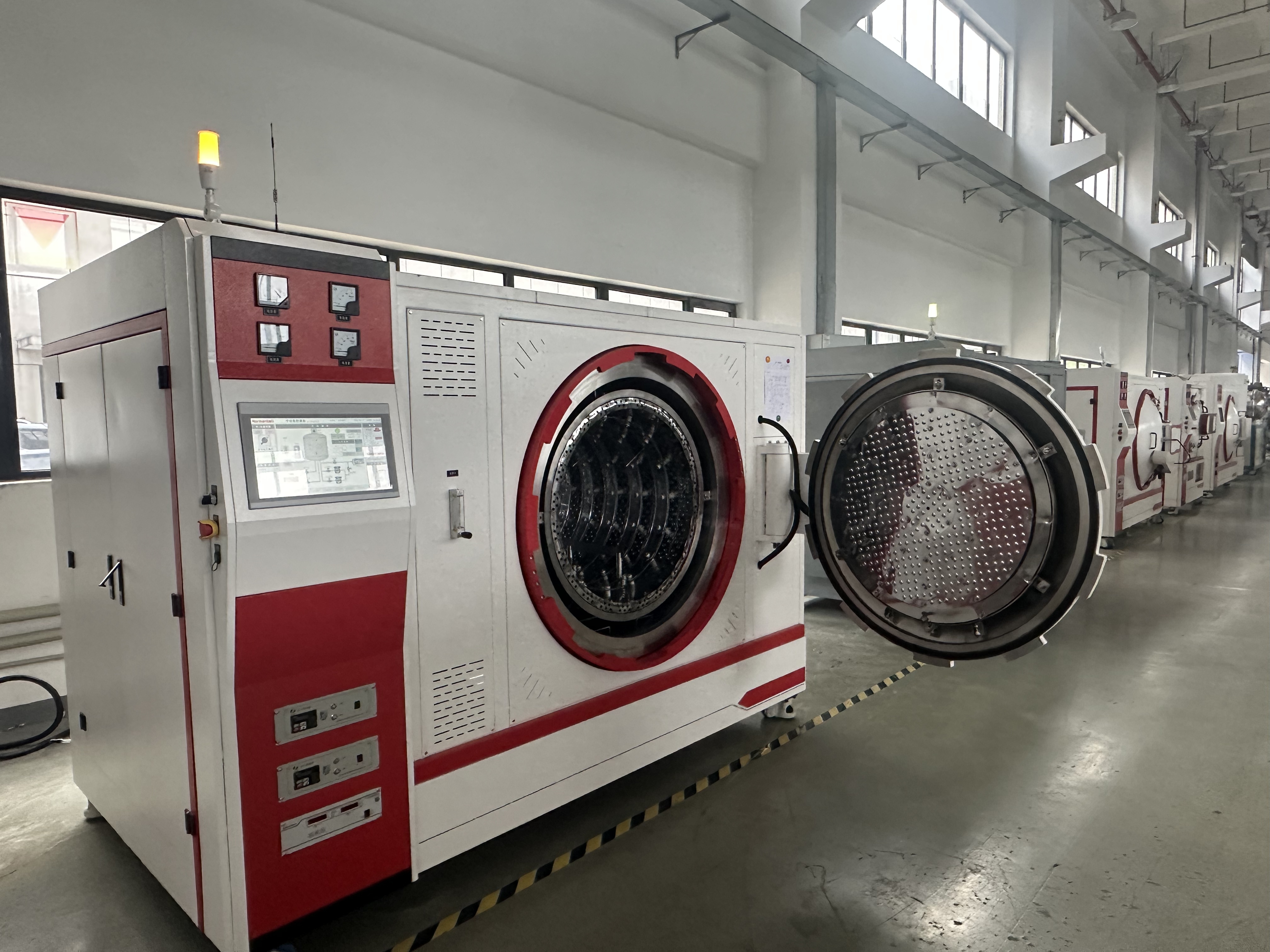
Normanthan Unveils Next-Generation Multi-Functional Vacuum Furnaces