Manufacturing High-Performance Tungsten Carbide Cutting Tools Using Vacuum Brazing

Cutting tools are essential components in modern machining and manufacturing processes. Among the most widely used materials for high-performance tools is tungsten carbide, known for its exceptional hardness, durability, and resistance to wear.
Tungsten carbide cutting tools are widely used in precision machining operations where high cutting speeds, elevated temperatures, and abrasive materials are common.
Using advanced vacuum brazing and heat treatment technologies, manufacturers can produce cutting tools that deliver long service life and consistent cutting performance.
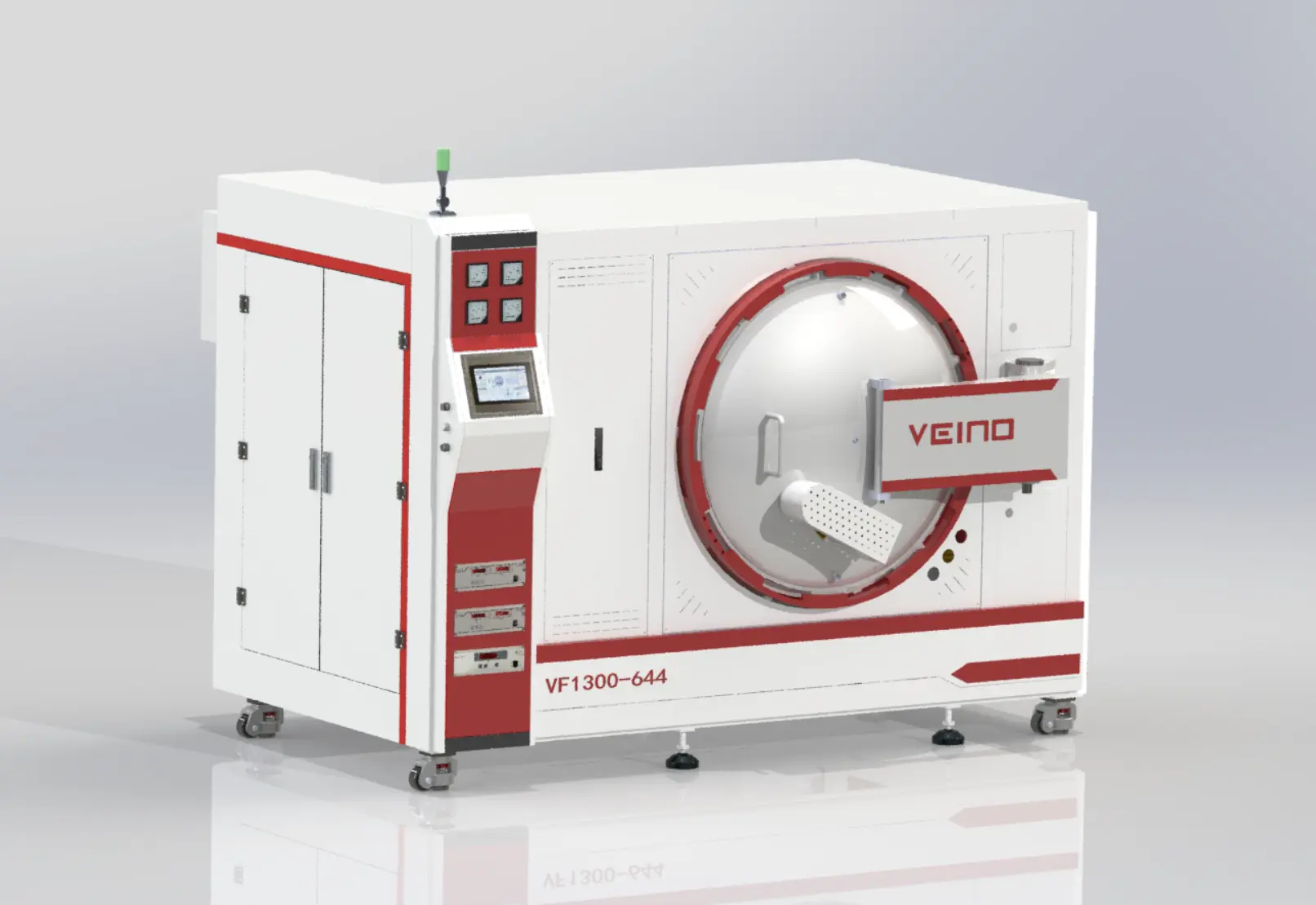
At Normantherm, advanced vacuum furnace systems support the production of high-quality tungsten carbide cutting tools used in a wide range of industrial applications.
What Is Tungsten Carbide?
Tungsten Carbide is a composite material formed by combining tungsten with carbon atoms. The resulting compound offers extremely high hardness, often comparable to that of diamond in certain applications.
Key properties of tungsten carbide include:
- Extremely high hardness
- Excellent wear resistance
- High temperature stability
- Strong compressive strength
- Good resistance to deformation
Because of these characteristics, tungsten carbide is widely used for cutting tools that must maintain sharp edges under heavy mechanical loads.
Structure of Tungsten Carbide Cutting Tools
Most industrial cutting tools consist of two main components:
- Carbide Cutting Tip – Made from tungsten carbide to provide hardness and wear resistance.
- Steel Tool Body – Provides structural strength and support.
These two materials are typically joined using vacuum brazing, which creates a strong metallurgical bond between the carbide insert and the steel body.
Role of Vacuum Brazing in Tool Manufacturing
Vacuum brazing plays a crucial role in the production of tungsten carbide cutting tools.
The process involves heating the tool assembly in a vacuum furnace while a brazing filler metal melts and bonds the carbide tip to the steel substrate.
Vacuum brazing offers several advantages:
- Oxidation-Free Processing: The vacuum environment prevents oxidation during heating, ensuring clean and strong joints.
- Strong Metallurgical Bonding: Precise temperature control allows the brazing filler metal to flow evenly between surfaces, forming a durable bond.
- Improved Tool Reliability: Vacuum brazing reduces defects such as voids, weak joints, and uneven bonding.
- Consistent Quality: Batch processing in vacuum furnaces ensures repeatable and uniform results.
Applications of Tungsten Carbide Cutting Tools
Tungsten carbide tools are widely used across multiple industrial sectors.
Common applications include:
- CNC machining operations
- Automotive component manufacturing
- Aerospace machining
- Mold and die manufacturing
- Mining and drilling tools
- Metal fabrication and heavy engineering
These industries rely on tungsten carbide tools for their durability, cutting precision, and resistance to wear.
Advantages of Vacuum Furnace Technology in Tool Production
Using advanced vacuum furnace systems offers several important benefits for carbide tool manufacturing.
These include:
- Precise temperature control
- Uniform heating across complex tool geometries
- Clean, oxidation-free surfaces
- Improved joint strength between carbide and steel components
Such capabilities ensure that cutting tools maintain consistent performance in demanding industrial environments.
Normantherm Solutions for Carbide Tool Manufacturing
Normantherm designs high-performance vacuum furnaces specifically suited for brazing and heat treatment applications in the cutting tool industry.
These systems offer:
- High-vacuum processing environments
- Accurate temperature uniformity
- Reliable batch production capability
- Process stability for carbide brazing applications
With these technologies, manufacturers can produce durable cutting tools that meet the requirements of modern precision machining.
Conclusion
Tungsten carbide cutting tools play a vital role in modern manufacturing due to their exceptional hardness, wear resistance, and thermal stability. By using vacuum brazing technology, manufacturers can create strong, reliable bonds between carbide tips and steel tool bodies.
With advanced furnace systems and precise thermal processing, Normantherm helps manufacturers produce high-performance carbide cutting tools that deliver superior durability and machining efficiency.
You may also like
The Future of 3D Printing in Heat Treatment: How Normantherm is Leading the Way.
Vacuum Brazing Technology: The Key to Stronger and More Durable Joints.