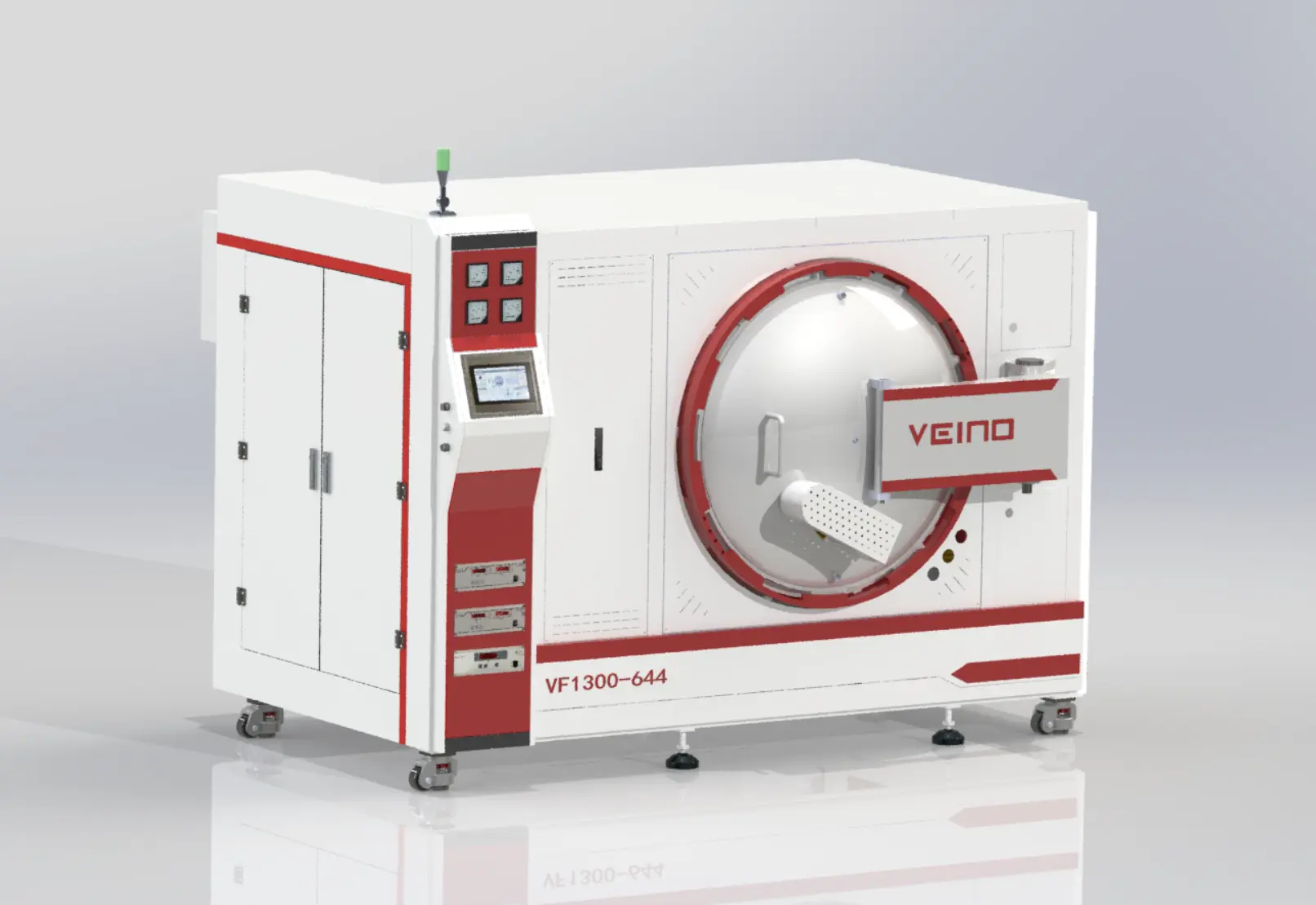
Joining stainless steel to TC4 (Ti-6Al-4V) titanium alloy
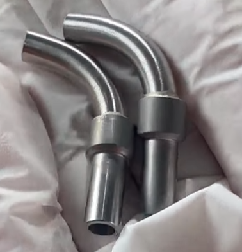
Joining stainless steel to TC4 (Ti-6Al-4V) titanium alloy is a sophisticated metallurgical challenge, primarily due to the vast differences in their physical and chemical properties. Vacuum brazing has emerged as the premier method for creating high-strength, hermetic seals between these two materials, commonly required in aerospace, medical, and high-performance industrial applications. The Vacuum Brazing Process
To overcome these challenges, the process is conducted in a high-vacuum environment—typically better than 10^-4 mbar—to prevent oxidation and ensure superior wetting of the filler metal. 1. Surface Preparation: Surfaces must be ultrasonically cleaned and often chemically etched. In many cases, a barrier layer or "interlayer" (such as nickel or copper plating) is applied to the stainless steel or titanium to prevent direct diffusion between Fe and Ti, thereby suppressing the growth of brittle IMCs. 2. Filler Metal Selection: The choice of Braze Filler Metal (BFM) is critical. Common choices include:Silver-based alloys (Ag-Cu-Ti): Often referred to as "active" brazing alloys. The addition of titanium in the filler helps wet the ceramic-like oxide layers on the base metals.Nickel-based alloys: Used for higher-temperature applications, though they require precise control to avoid excessive base metal erosion. 3. Thermal Cycle: The vacuum furnace cycle involves several stages:Ramping: Controlled heating to ensure uniform temperature across the assembly.
4. Soaking: A brief hold just below the solidus temperature of the filler.
5. Brazing: Rapid heating to the brazing temperature, followed by a short dwell time to allow capillary action to fill the joint.
6. Controlled Cooling: This is the most critical phase for TC4 and stainless steel. Slow, programmed cooling reduces residual stresses caused by the differing CTEs. Applications:
- Aerospace: Transition joints in fuel systems and hydraulic lines.
- Medical: Biocompatible housings for implants where titanium is used for weight and steel for structural components.
You may also like
The Future of 3D Printing in Heat Treatment: How Normantherm is Leading the Way.
Vacuum Brazing Technology: The Key to Stronger and More Durable Joints.