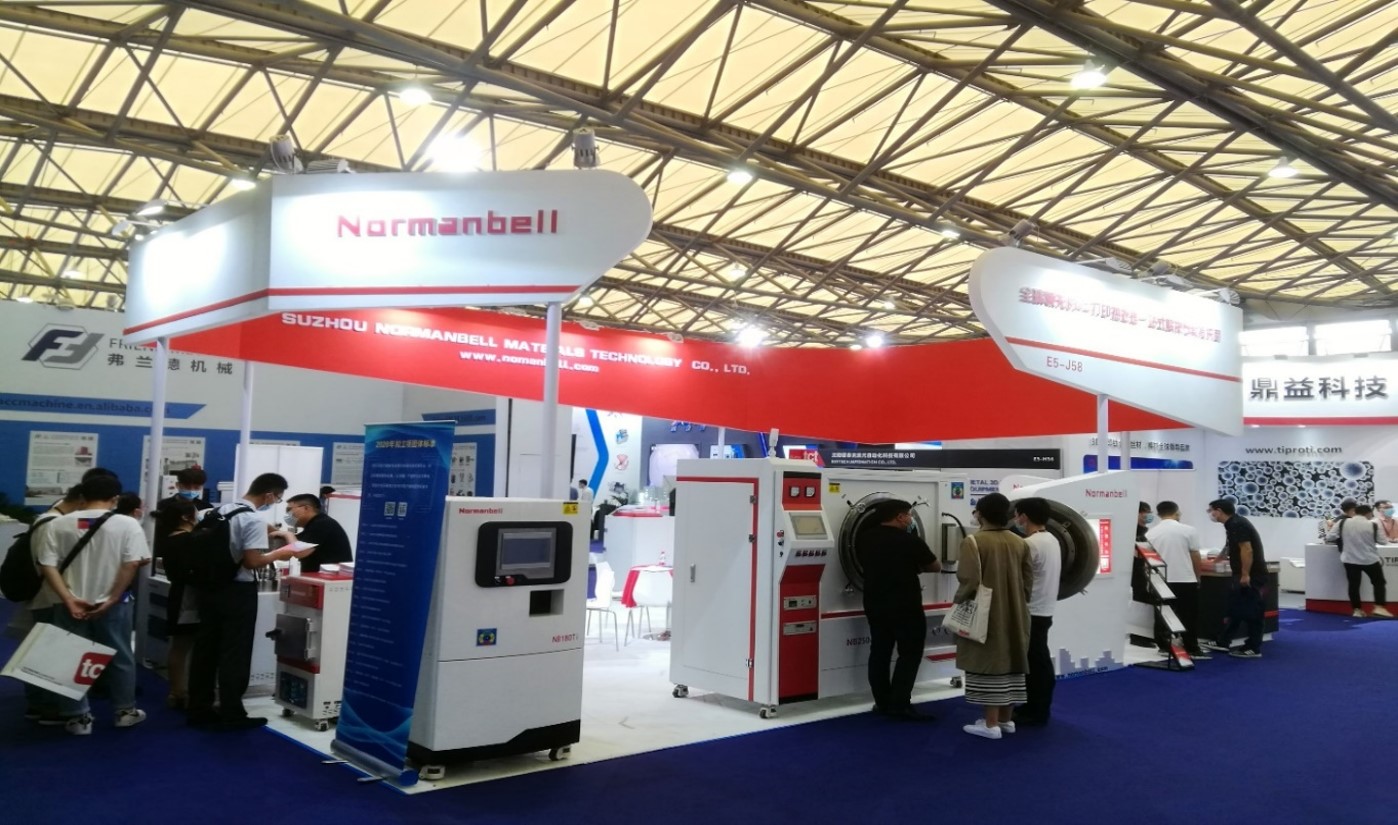
How To Eliminate Joint Failures In Brazing Applications

Brazed joints are critical to the strength, sealing, and performance of many industrial components. Failures such as weak bonding, voids, or leakage typically arise from a combination of poor process control, contamination, and incorrect joint design. Addressing these factors systematically is key to achieving consistent, high-quality results.
Key causes of joint failure
Common issues include poor wetting, oxidation, improper joint clearance, and uneven thermal cycles. In conventional atmospheres, oxidation prevents proper filler flow, while surface contaminants like oil or oxides reduce bond strength. Non-uniform heating or rapid cooling can also introduce thermal stresses, leading to cracks or distortion.
Joint Design and Material Selection
Proper joint clearance, typically around 0.02 to 0.05 mm, is essential for effective capillary action. Too narrow restricts flow; too wide weakens the joint. Equally important is selecting compatible base materials and filler alloys with suitable melting behavior and thermal expansion properties to avoid residual stress and ensure durability.
Role of Vacuum Brazing
Vacuum brazing provides a clean, oxygen-free environment that eliminates oxidation and the need for flux. This enables superior wetting, stronger joints, and consistent metallurgical bonding. Precise temperature control ensures uniform heating across components, while controlled cooling minimizes distortion and stress.
Process Consistency and Cleanliness
Thorough pre-cleaning of components is essential to remove contaminants. Combined with a stable vacuum environment, this ensures reliable filler flow and bonding. Modern vacuum furnaces further enhance repeatability through uniform heating zones, accurate temperature control, and controlled cooling methods.
To sum up, eliminating joint failures requires a combination of proper design, correct material selection, and controlled processing conditions. Vacuum brazing offers a reliable solution by ensuring a clean environment and precise thermal control, resulting in strong, defect-free joints and improved production consistency.
For more information, you may contact us.
You may also like

Normanthan Broadens Its Impact Across Key High-Tech Industries
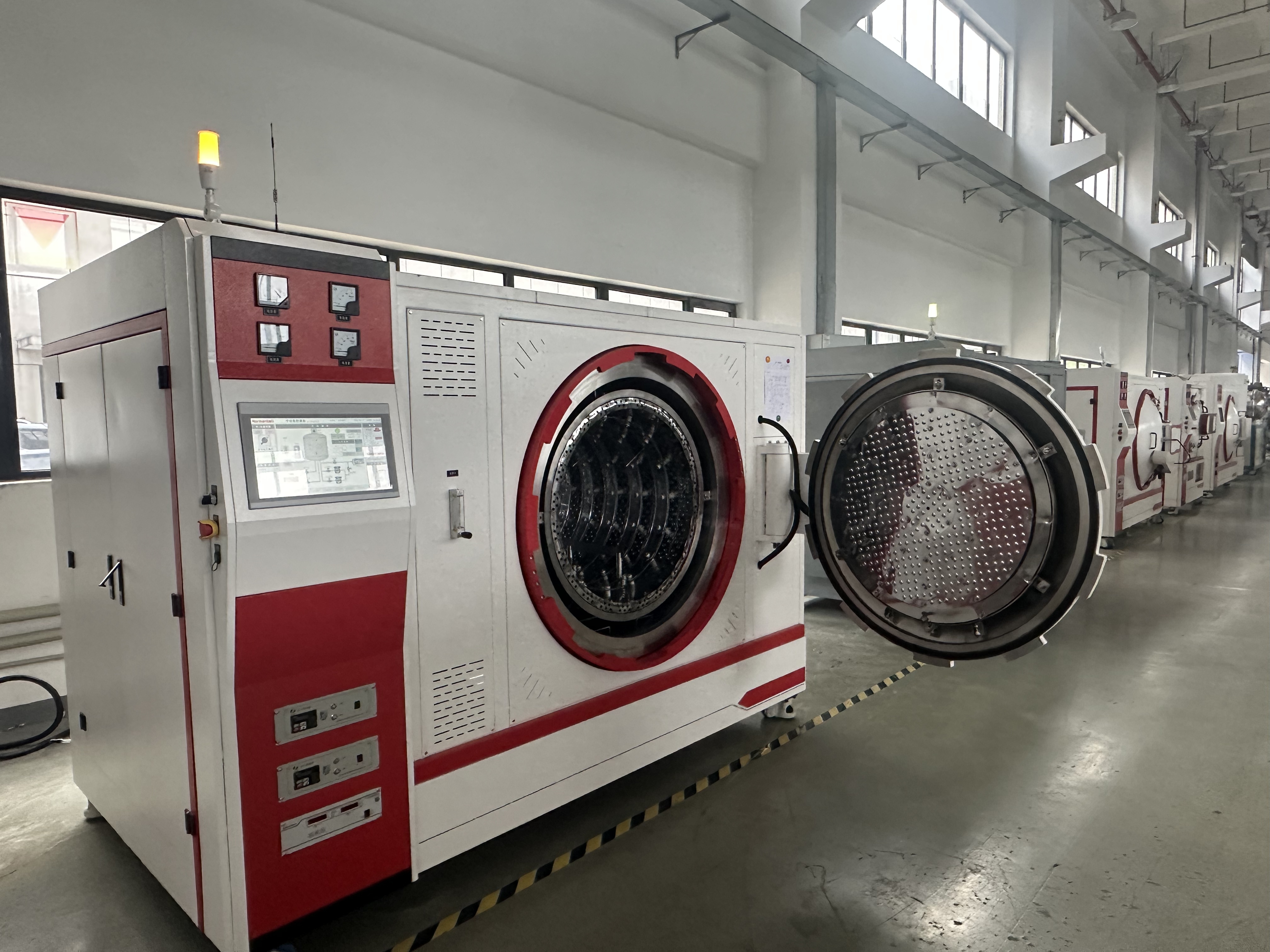
Normanthan Unveils Next-Generation Multi-Functional Vacuum Furnaces