How Titanium Bone Plates Are Made Strong Enough to Last a Lifetime
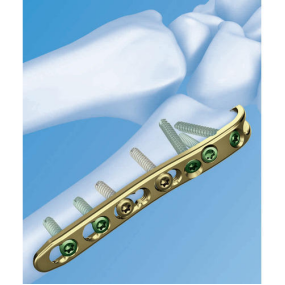
A titanium bone plate is screwed directly onto the fractured bone to hold it in alignment while healing occurs. It endures constant mechanical stress, resists corrosion from bodily fluids, and must never trigger an immune response. Getting the material right is everything, and that starts in the furnace.
Why Heat Treatment Can't Be Skipped
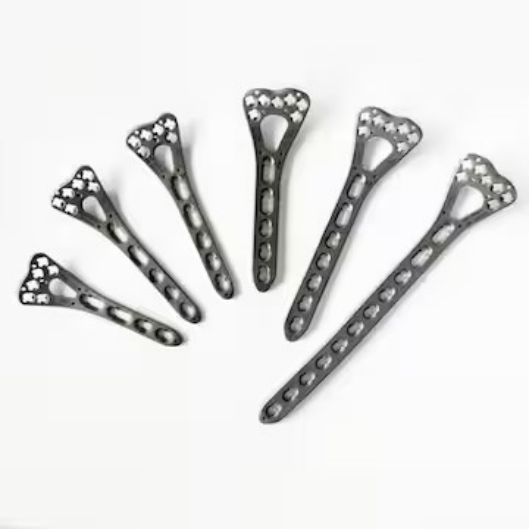
The production of titanium bone plates involves precision stamping, forging, and a critical vacuum annealing treatment before final machining. Titanium is highly reactive and easily contaminated by oxygen, carbon, and hydrogen during processing, any of which can seriously degrade its mechanical properties. This is why vacuum furnaces are the preferred method, with the final performance of the part depending largely on whether heat treatment is carried out correctly.
Annealing relieves the internal stresses built up during forging and machining, restores ductility, and stabilizes the microstructure, ensuring the plate can be safely contoured by a surgeon without cracking and that it holds its shape for decades inside the body.
Why Vacuum Specifically
To reduce gas pollution and remove hydrogen absorbed during processing, titanium annealing must be carried out under a vacuum. Any contamination at this stage translates directly into brittleness or surface defects, unacceptable in a load-bearing implant. Vacuum heat treatment also eliminates the need for additional cleaning or polishing after processing, yielding clean, bright results with minimal distortion and precise final mechanical properties.
How Normantherm Supports This Process
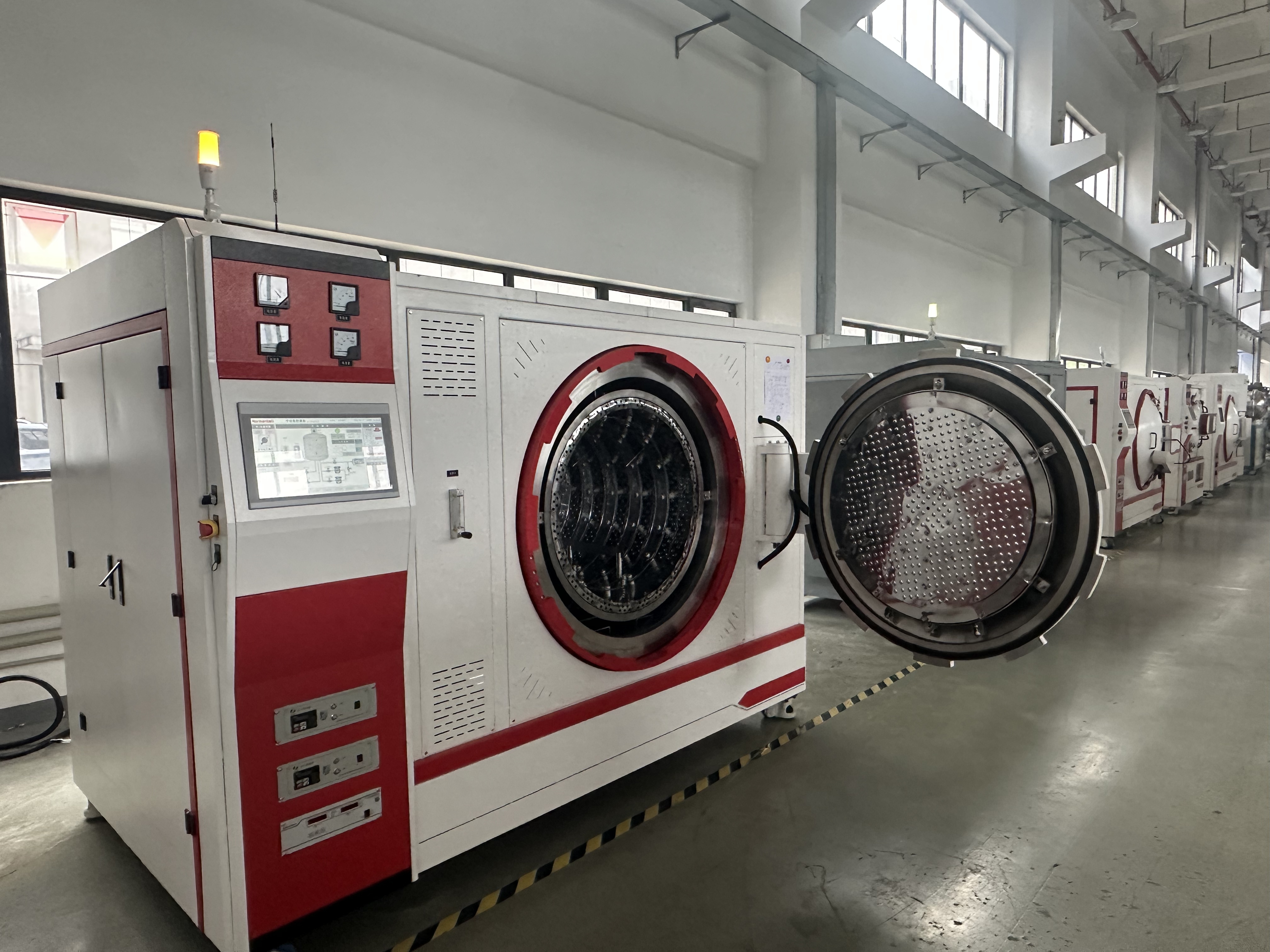
In medical device manufacturing, even minor deviations in temperature uniformity, atmosphere control, or cooling rate can affect material performance. Normantherm's vacuum furnaces are engineered to maintain tight control over every stage of the thermal cycle, ensuring repeatable, reliable results. Their systems cover the full range of processes bone plate production demands, vacuum annealing, stress relieving, and post-machining treatment, all built to the consistency standards medical manufacturers require.
For more information, you may contact us.
You may also like

Normanthan Broadens Its Impact Across Key High-Tech Industries
Normanthan Unveils Next-Generation Multi-Functional Vacuum Furnaces