How Are Heat Exchangers Manufactured Using Vacuum Brazing?

We all know what a heat exchanger is and how important it is in systems where efficient heat transfer is required. Whether in automotive engines, aerospace systems, power electronics, or industrial cooling equipment, heat exchangers play a critical role in managing temperature and maintaining system performance. Because these components often contain many thin plates, fins, and tubes that must be joined together with high precision, the manufacturing process must ensure strong, leak-tight, and reliable joints. One of the most effective methods used today is vacuum brazing.
The Vacuum Brazing Process
In heat exchanger manufacturing, the individual components, such as plates, fins, tubes, and headers, are first precisely fabricated and assembled. A brazing filler alloy is placed at the joint locations, usually in the form of foil, paste, or preforms.
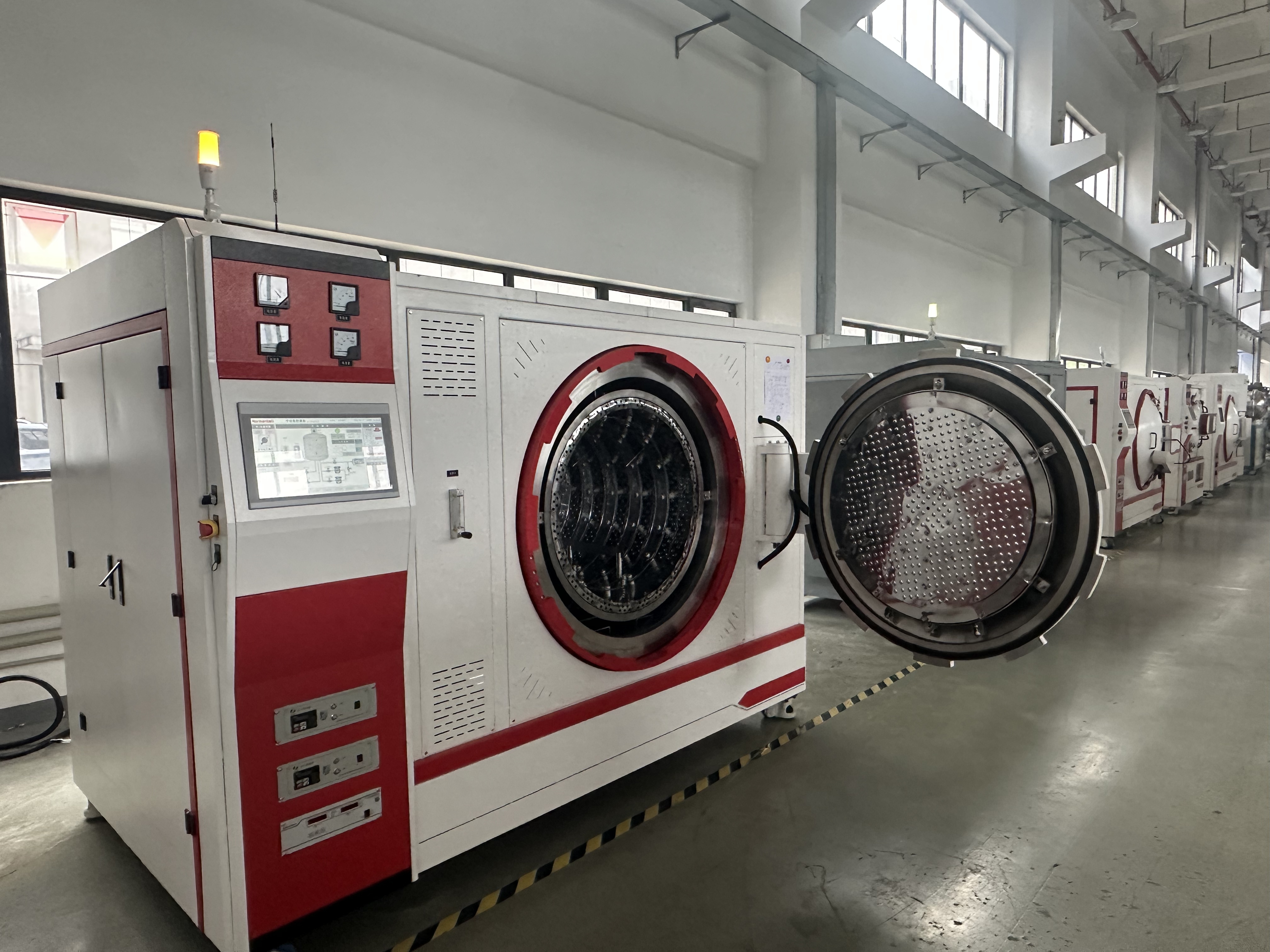
The assembled unit is then loaded into a vacuum furnace. Inside the chamber, air, oxygen, and moisture are removed to create a clean vacuum environment. As the temperature increases according to a controlled heating cycle, the brazing alloy melts and flows between the narrow gaps of the components through capillary action. Because the process takes place in a vacuum, oxidation is prevented, and the filler metal spreads evenly across the joint surfaces.
Once the brazing temperature cycle is completed, the assembly is cooled in a controlled manner. The molten filler metal solidifies and forms strong metallurgical bonds throughout the structure. This process allows complex heat exchanger assemblies with many joints to be brazed simultaneously in a single furnace cycle.
Advantages of Vacuum Brazing
The oxygen-free environment prevents oxidation and eliminates the need for flux, which keeps the joints clean and improves overall reliability. This is particularly beneficial for heat exchangers where internal cleanliness directly affects heat transfer efficiency.
Another key benefit is the excellent temperature uniformity provided by vacuum furnaces. Thin plates and delicate fins can be heated evenly without distortion, ensuring dimensional accuracy and consistent joint quality across the entire assembly.
In addition, vacuum brazed joints provide excellent strength and leak-tight performance, which is essential for heat exchangers operating under pressure or exposed to continuous thermal cycling.
To sum up, vacuum brazing has become a preferred manufacturing method for modern heat exchangers because it allows complex assemblies to be joined in a clean, controlled, and highly reliable process. With proper furnace technology and process control, manufacturers can produce heat exchangers that meet demanding performance and durability requirements.
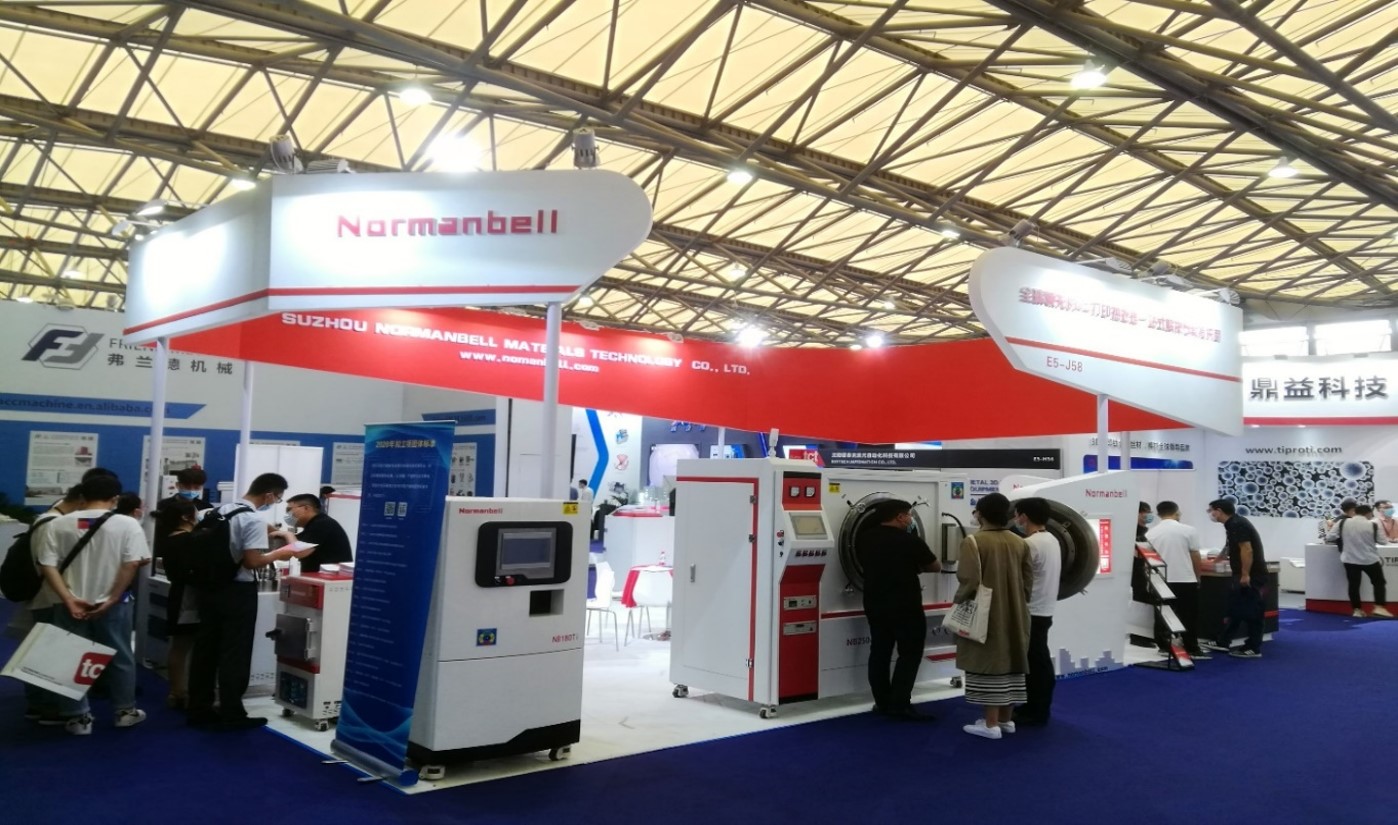
With its advanced engineering, precise thermal control, and dependable vacuum performance, Normantherm Vacuum Furnace provides manufacturers with a powerful solution for achieving consistent, high-quality vacuum brazing results in modern heat exchanger production.
For more information, you may contact us.
You may also like

Normanthan Broadens Its Impact Across Key High-Tech Industries
Normanthan Unveils Next-Generation Multi-Functional Vacuum Furnaces