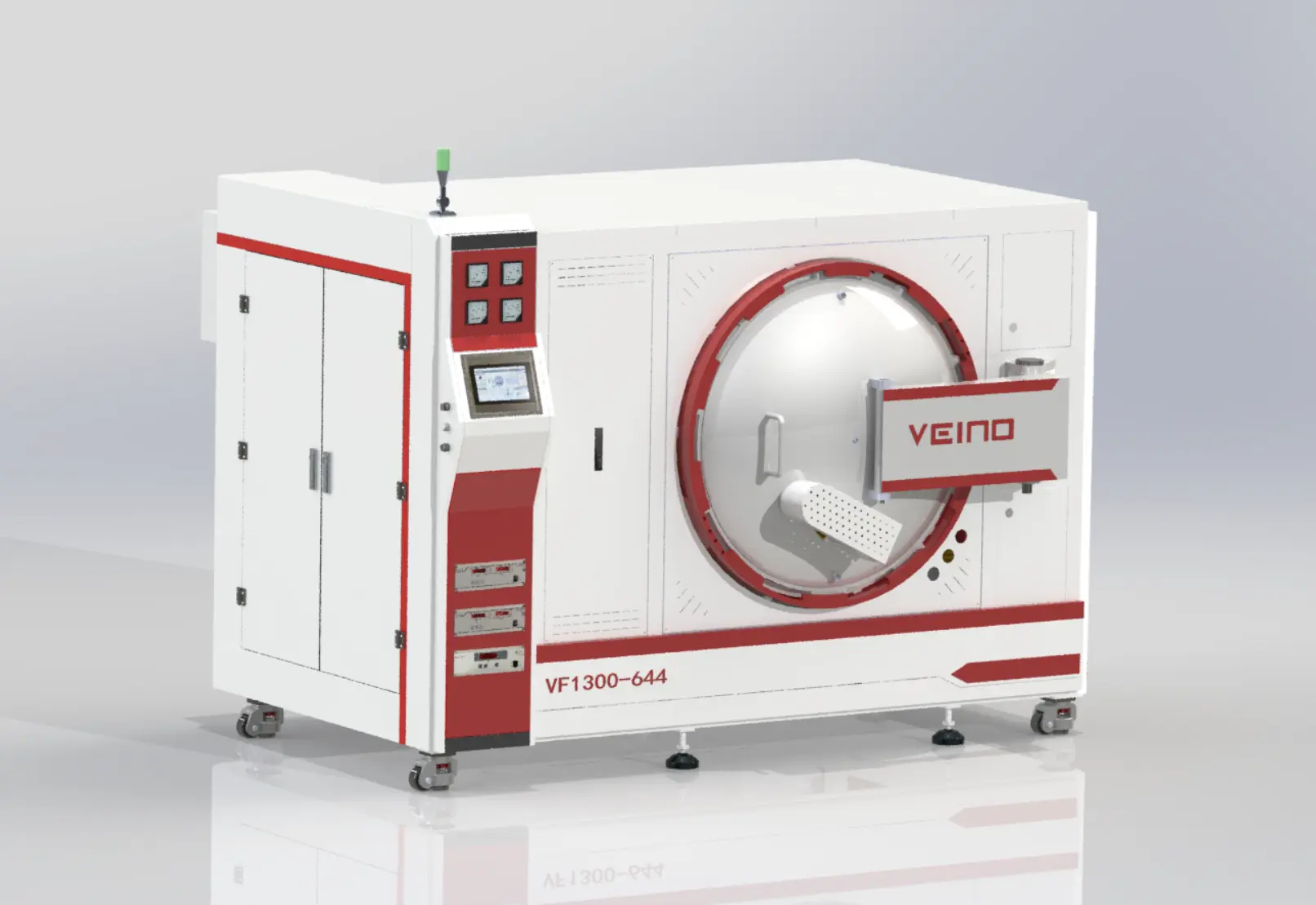
Heat Treatment of 316L Stainless Steel for Shaping, Hardening, and Grain Size Optimization
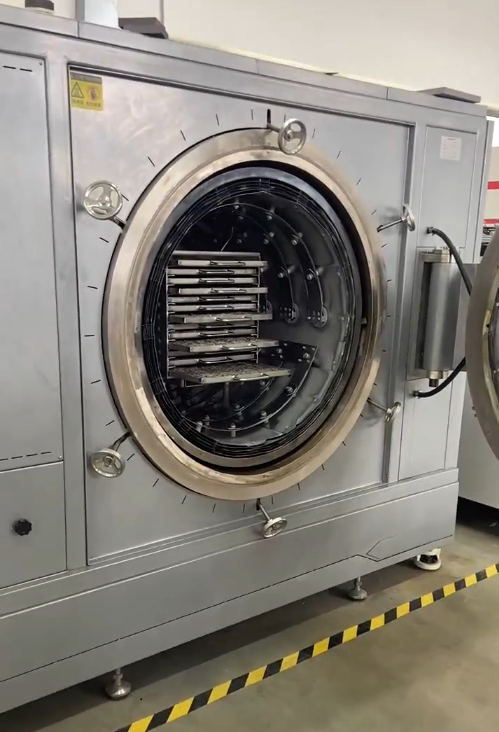
Heat treatment plays a critical role in improving the performance, dimensional stability, and microstructural consistency of stainless steel components. For industries requiring high precision and repeatable material quality, 316L stainless steel often undergoes controlled heat treatment for shaping, hardening, and lattice optimization.
In high-volume manufacturing environments, maintaining consistent results across millions of components requires advanced furnace systems and professional process expertise.
Why 316L Stainless Steel Requires Precision Heat Treatment
316L Stainless Steel is widely used in industries requiring corrosion resistance, durability, and dimensional stability.
Its applications include:
- Medical and surgical components
- Electronics and precision parts
- Chemical processing systems
- Industrial mechanical components
- High-precision manufacturing applications
However, to meet strict engineering requirements, 316L stainless steel often requires controlled heat treatment to optimize its internal structure and mechanical performance.
Objectives of Heat Treatment for 316L Stainless Steel
In this application, the customer required three key outcomes:
- Shaping and Dimensional Stability
Controlled heat treatment helps stabilize the geometry of precision parts and minimizes dimensional variation.
- Hardening and Mechanical Enhancement
Thermal processing improves material consistency and mechanical performance for demanding applications.
- Lattice Optimization for Uniform Grain Size
Microstructural refinement ensures uniform grain distribution, helping improve material consistency and reduce variability between components.
Uniform grain size is especially important for large-volume production where repeatability is essential.
Importance of Cleaning and Degreasing Before Heat Treatment
Before entering the furnace, all components undergo a cleaning and degreasing process.
This step is essential because contaminants such as oil, grease, or residues can negatively affect:
- Surface quality
- Heat transfer consistency
- Material microstructure
- Batch-to-batch reliability
Proper preparation ensures stable and repeatable heat treatment results.
High-Volume Heat Treatment Challenges
For this project, the production volume involved approximately 3.05 million pieces, with each batch weighing around 74 kilograms and requiring approximately 500 kilowatts of electricity for processing.
High-volume stainless steel heat treatment presents several operational challenges:
- Maintaining consistent quality across batches
- Meeting production timelines
- Ensuring microstructural uniformity
- Preventing dimensional inconsistencies
- Achieving repeatable thermal processing results
Without precise furnace control, outsourcing heat treatment can often lead to inconsistent outcomes.
Why Advanced Furnace Technology Matters
Precision heat treatment requires more than just heating parts—it demands accurate thermal control and deep process knowledge.
At Normantherm, advanced furnace systems are designed to support demanding stainless steel heat treatment applications.
Our capabilities include:
- Precise temperature control and thermal uniformity
- Stable processing for high-volume production
- Optimized furnace selection for specific applications
- Professional heat treatment expertise and technical support
With over 15 years of experience, our team helps manufacturers achieve consistent material performance while reducing processing risks.
Applications in Manufacturing Industries
Heat-treated 316L stainless steel components are widely used in:
- Medical device manufacturing
- Electronics and connector production
- Precision mechanical engineering
- Chemical and pharmaceutical equipment
- High-volume industrial component manufacturing
As quality standards continue to rise, precision heat treatment becomes increasingly important for competitive manufacturing.
Conclusion
Heat treatment of 316L stainless steel for shaping, hardening, and grain size optimization is essential for ensuring dimensional stability, material consistency, and reliable performance.
For manufacturers facing challenges such as inconsistent outsourcing quality, tight production timelines, or poor treatment results, advanced furnace technology and professional expertise make a significant difference.
With advanced furnace systems and years of practical experience, Normantherm continues to support manufacturers with reliable and precision-focused heat treatment solutions.
You may also like
The Future of 3D Printing in Heat Treatment: How Normantherm is Leading the Way.
Vacuum Brazing Technology: The Key to Stronger and More Durable Joints.